Car Shakes When Braking Downhill: Causes & Solutions
Have you ever felt your car shake when you’re braking downhill? It’s a nerve-wracking sensation, isn’t it?
You might feel your heart race as you grip the steering wheel tighter. You’re not alone. Many drivers experience this unsettling issue, and it often leaves you wondering about the safety and condition of your vehicle. Understanding why this happens can not only ease your mind but also help you take action to prevent potential hazards.
Stick around to uncover the reasons behind this shaky situation and learn how to ensure your car remains smooth and safe on every drive.
Car Shakes When Braking Downhill
Common Causes Of Car Shaking
Braking downhill can cause your car to shake due to worn brake pads or warped rotors. Uneven tire wear might also contribute to this issue, making the drive uncomfortable and potentially dangerous. Regular maintenance checks can help identify and fix these problems early, ensuring a smoother ride.
When your car starts shaking as you brake downhill, it can be both puzzling and alarming. You’re not alone in this experience; many drivers face this issue. Understanding the common causes can help you identify the problem and avoid potential dangers. It’s not just about maintaining a smooth ride; it’s about ensuring your safety and prolonging your car’s lifespan. Let’s dive into what might be causing this unsettling shake.
Worn Brake Pads
Brake pads are crucial for slowing down your vehicle. If they’re worn out, they struggle to grip the brake rotor properly. Imagine trying to stop on a slippery surface—it’s not effective. You might notice a grinding sound or reduced braking power. Checking your brake pads regularly can save you from unexpected repairs and ensure your car stops smoothly.
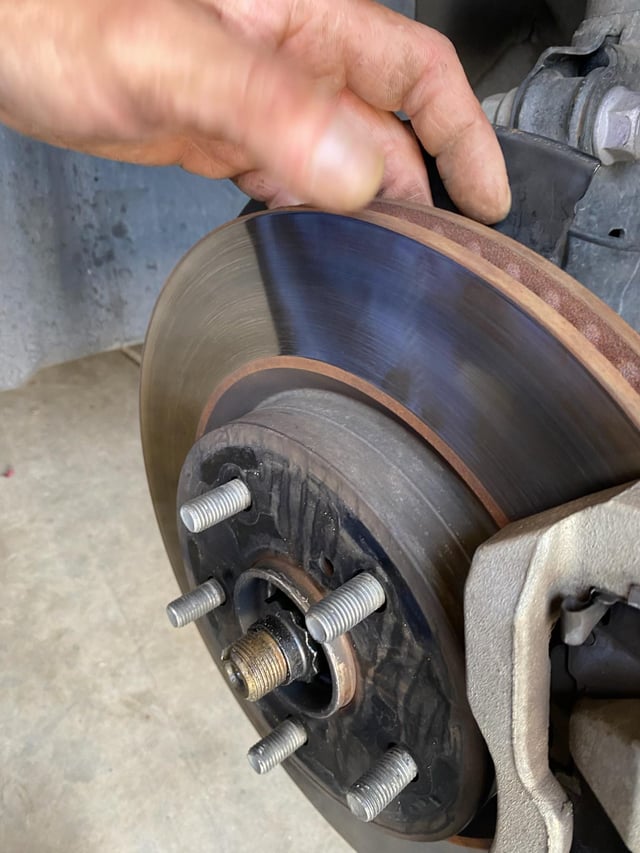
Warped Rotors
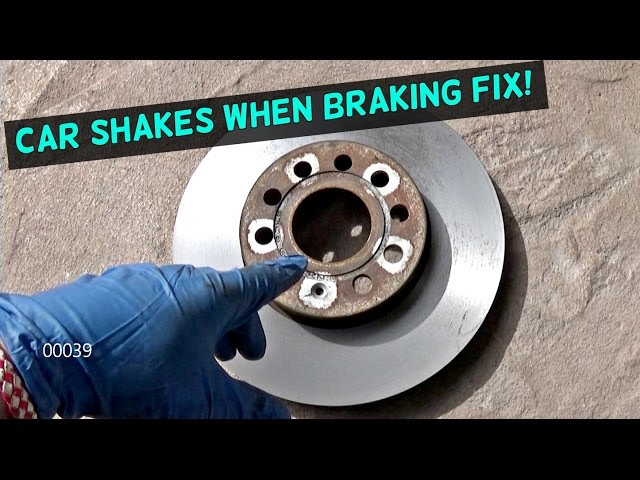
Rotors are the discs that brake pads clamp onto to slow the car. If they’re warped, your car shakes when braking. This can happen if the rotors have been exposed to high temperatures or have experienced sudden cooling. You may recall a time when your car vibrated on a steep downhill; warped rotors could be the culprit. It’s worth examining them for uneven wear to prevent further damage.
Loose Suspension Components
Suspension parts keep your car stable, especially on uneven terrain. Loose components can cause your car to wobble during braking. This is not just a nuisance; it can lead to more serious issues like loss of control. If you’ve felt like your car was swaying, it might be time to inspect your suspension system. Securing these parts can make a noticeable difference in your driving experience.
Uneven Tire Wear
Tires with uneven tread can cause your car to shake. This is particularly noticeable when braking downhill, as the tires struggle to maintain traction. Have you ever wondered why your car feels different after a long road trip? Uneven tire wear could be the reason. Regular tire rotation and alignment checks can help keep your ride smooth and safe.
Brake Caliper Issues
Brake calipers apply pressure to the brake pads against the rotor. If a caliper is sticking or malfunctioning, it can cause your car to shake. You might notice a pulling sensation to one side, which indicates a caliper problem. Addressing brake caliper issues early can prevent uneven braking and costly repairs. Understanding these common causes empowers you to take action. Next time you feel a shake, consider these factors. What steps will you take to ensure your car remains safe and reliable?
Impact Of Brake Components
Car shakes while braking downhill due to worn brake components. These parts affect stability and control during braking. Regular maintenance helps ensure smooth and safe descents.
When you feel your car shaking as you brake downhill, you might wonder what’s going on. The answer often lies in the brake components. These crucial parts of your vehicle play a pivotal role in ensuring a smooth and safe drive. But what happens when they don’t function as expected? Understanding the impact of brake components can help you address the issue effectively.
Brake Pads And Their Wear
Brake pads are designed to create friction, which helps slow down your vehicle. Over time, they wear out. When this happens, they might not grip the brake rotor evenly, causing a vibration or shake. Regularly checking the condition of your brake pads can prevent this issue. If you’ve ever felt a wobble during a descent, it’s worth examining your brake pads closely.
The Role Of Brake Rotors
Brake rotors work hand-in-hand with brake pads. They can become warped if exposed to excessive heat or if they’re unevenly worn. This warping can lead to the car shaking when braking. The sensation is like a subtle vibration that you can’t ignore. Consider it a sign that your rotors might need machining or replacement.
Importance Of Calipers
The calipers are responsible for pressing the brake pads against the rotors. If they are sticking or not functioning properly, the pressure applied can be uneven. This can lead to the car shaking, especially noticeable when braking downhill. If you’ve experienced this, it might be time to have a mechanic check your calipers.
Brake Fluid And Its Effects
Brake fluid plays a key role in transferring the force from your foot on the pedal to the brakes themselves. If the fluid is old or has air bubbles, it can lead to inconsistent braking performance. This can cause the car to shake as you’re trying to stop. Regularly bleeding your brakes and ensuring the fluid is fresh can mitigate this issue.
Signs Of Worn Brake Components
Recognizing the signs of worn brake components can save you from unexpected surprises. Listen for squealing noises, feel for any vibrations, and notice any delays in braking response. These are all indicators that your brake components might need attention. How often have you dismissed a minor shake, only to find it’s a precursor to a bigger problem? Understanding the impact of brake components on your vehicle’s performance is crucial. Each part plays a unique role, and when one fails, it can affect the entire system. Next time you feel a shake, consider what your car might be telling you. Addressing these issues promptly can ensure a safer and smoother driving experience.
Role Of Tire Condition
Car shakes when braking downhill can be unsettling. One key factor is tire condition. Tires play a crucial role in vehicle stability and safety. Worn-out tires can cause vibrations. They lose traction, especially on slopes. Proper tire maintenance can prevent shaking and ensure a smooth ride.
Importance Of Tread Depth
Tread depth affects grip. Worn treads reduce friction with the road. When braking downhill, this lack of friction can cause shakes. Check tread depth regularly. Replace tires when the tread is too shallow.
Effects Of Uneven Wear
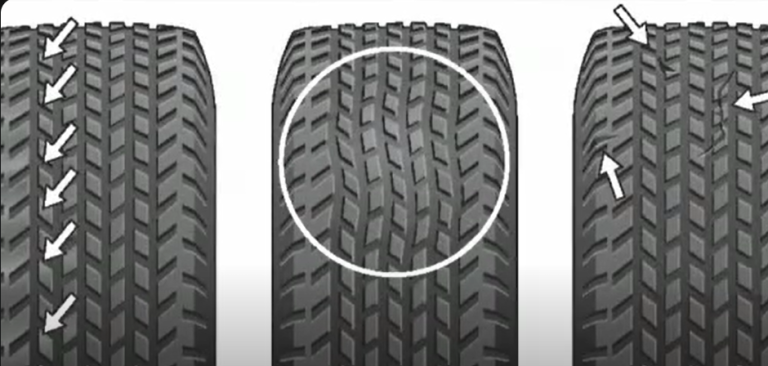
Uneven tire wear leads to imbalance. An imbalanced tire can cause vibrations during braking. Regular tire rotations can prevent this issue. Ensure your tires wear evenly for a smooth ride.
Impact Of Tire Pressure
Incorrect tire pressure can cause shaking. Both overinflated and underinflated tires affect performance. Check pressure monthly. Use a reliable gauge for accuracy.
Influence Of Tire Age
Old tires can harden. Hardened tires lose flexibility. This loss of flexibility can lead to vibrations. Change tires every six years. This ensures optimal performance.

Credit: www.reddit.com
Suspension System Issues
Car shakes while braking downhill can be alarming. The suspension system plays a key role in this. It connects the car body to the wheels. It also absorbs shocks from the road. Problems here can lead to uneven braking.
Worn-out Shocks And Struts
Shocks and struts absorb road impact. With time, they wear out. Worn shocks can cause uneven braking. This makes the car shake. Regular checks help identify worn parts. Early replacement can prevent shaking issues.
Loose Or Damaged Bushings
Bushings reduce friction in the suspension. They absorb vibrations and keep the ride smooth. Damaged bushings can cause instability. This leads to shaking during braking. Checking and replacing faulty bushings can help.
Faulty Ball Joints
Ball joints connect the control arms to the steering knuckles. They allow smooth wheel movement. Faulty ball joints can cause shaking. This is especially true when braking downhill. Regular maintenance checks are crucial.
Uneven Tire Wear
Suspension issues can lead to uneven tire wear. Uneven tires don’t grip the road well. This causes the car to shake. Proper alignment and regular tire checks can prevent this.
Alignment Problems
Alignment affects how tires meet the road. Poor alignment can cause shaking. Especially noticeable when braking downhill. Routine alignment checks can prevent these issues. It ensures a smooth and safe ride.
Solutions For A Smooth Ride
Experiencing car shakes while braking downhill can be unsettling. Common causes include worn brake pads or warped rotors. Regular maintenance and timely inspections help ensure a smooth ride and enhance driving safety.
When your car shakes while braking downhill, it can be a nerve-wracking experience. You want a smooth ride, not one filled with vibrations and uncertainty. But don’t worry, there are solutions to ensure your drive is as smooth as possible. Let’s dive into practical steps you can take to solve this unsettling problem.
1. Inspect And Replace Worn Brake Pads
Worn brake pads are often the culprits behind the shakes. If your pads are thin, it might be time for a change. Have you noticed any squealing sounds? That’s a red flag indicating your brake pads need attention. Replacing them can instantly improve braking performance.
2. Check The Brake Rotors
Uneven brake rotors can cause your car to shudder. If the rotors are warped or damaged, they can’t grip the brake pads effectively. Have a professional examine them for signs of wear. Often, simply resurfacing or replacing the rotors will restore smooth braking.
3. Examine The Suspension System
The suspension system plays a crucial role in maintaining stability. If your car feels like it’s bouncing, the suspension might be the issue. Components like shock absorbers and struts can wear out over time. Consider getting them inspected to maintain a stable ride.
4. Proper Wheel Alignment
Misaligned wheels can lead to vibrations, especially when braking downhill. Are your tires wearing unevenly? This could be a telltale sign of alignment issues. A quick alignment check can enhance your driving experience significantly.
5. Ensure Tires Are In Good Condition
Your tires are your car’s connection to the road. If they’re worn or improperly inflated, they can cause shaking. Regularly check tire pressure and tread depth to ensure they’re in top condition. This simple step can make a big difference in ride comfort.
6. Look Into Abs Functionality
A faulty Anti-lock Braking System (ABS) can also be a reason for shaking. If the ABS light is on, it’s time for a check-up. Ensuring your ABS is functioning correctly can prevent unnecessary vibrations during braking. Taking action on these points can transform your driving experience. Is there anything more frustrating than a shaky ride? Address these issues head-on, and you’ll enjoy a smoother, safer journey downhill.

Credit: greeninginc.com
Credit: www.youtube.com
Frequently Asked Questions
Why Does My Car Shudder When I Brake Downhill?
Your car may shudder when braking downhill due to warped brake rotors, uneven brake pad wear, or loose suspension components. This can cause vibrations. Inspect your brakes and suspension to ensure safety. Regular maintenance can prevent this issue.
Why Does My Car Shake When Going Down A Hill?
Your car may shake downhill due to brake issues, suspension problems, or wheel alignment. Check brake pads and rotors for wear. Inspect suspension components for damage or wear. Ensure wheel alignment is correct. Regular maintenance can prevent these issues and ensure smooth driving.
Is It Okay To Drive With A Brake Shudder?
Driving with a brake shudder is unsafe. It may indicate brake issues that need immediate attention. Ignoring it can lead to further damage and compromised vehicle safety. Have your brakes inspected by a professional to ensure safe driving and prevent costly repairs.
Prioritize your safety and address the issue promptly.
Conclusion
Experiencing shaking while braking downhill can be unsettling. Addressing this issue promptly ensures safety. Regular brake inspections prevent potential hazards. Worn brake pads often cause vibrations. Rotors might need resurfacing or replacement. Tire alignment and balance are crucial too. Always consult a professional mechanic for persistent issues.
Ignoring the problem can lead to costly repairs. Maintaining your vehicle keeps you safe on the road. Remember, small checks make a big difference. Drive safely and enjoy a smooth ride. Prioritize your car’s health for a worry-free journey.
Read More
- Car Suddenly Smells Like Garbage: Find Quick Solutions
- Car Seat Safety Chest Clip: Ensuring Your Child’s Security
As Amazon Associate, we earn from qualifying purchases.