Car Not Starting No Sound But Lights Work: Quick Fixes Explained
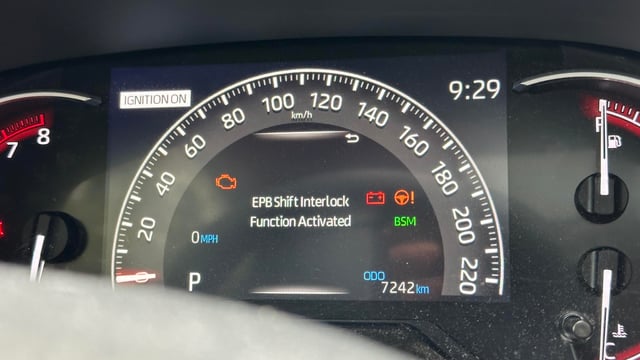
If your car won’t start with no sound but the lights work, the issue is usually a dead battery, corroded terminals, or a faulty starter. Since the lights need less power, they can still turn on while the engine won’t crank. Check battery connections and starter system.
You turn the key or push the button, and nothing happens—no clicking, no engine sound. This situation can leave you confused and stuck, wondering what went wrong. But don’t worry, you’re not alone, and there are simple reasons behind this problem.
You’ll discover the common causes and easy steps you can take to get your car running again. Keep reading, because the solution might be easier than you think.

Credit: www.wikihow.com
Car Not Starting No Sound But Lights Work
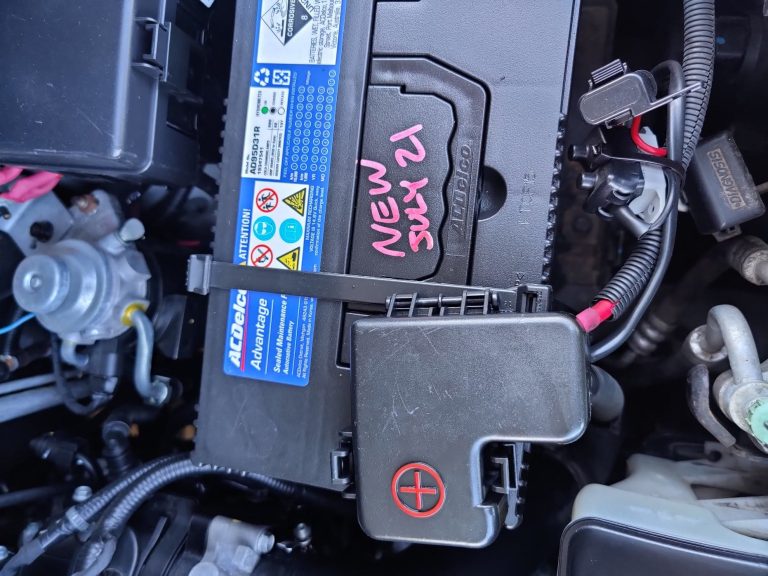
Check The Battery Health
When your car won’t start but the lights still work, the battery health is often the culprit. The battery powers the electrical system and starts the engine. Checking the battery can save time and money by identifying simple issues early. This section shows easy steps to check your car battery’s condition.
Read more: Car Makes Whirring Noise But Won’t Start: Quick Fix Tips
Test Battery Voltage
Use a multimeter to measure the battery voltage. A fully charged battery reads about 12.6 volts. If the reading is below 12.4 volts, the battery may be weak. Low voltage means the battery cannot supply enough power to start the engine.
Test the voltage with the engine off for an accurate reading. Repeat the test after trying to start the car. A big drop in voltage means the battery needs attention.
Inspect Battery Terminals
Check the battery terminals for corrosion or looseness. Corroded terminals can block power flow and prevent starting. Look for white or green powder around the terminals. Clean terminals with a brush and a mix of baking soda and water.
Make sure the terminal clamps are tight. Loose connections cause electrical problems even if the battery is good. Secure the clamps firmly but avoid over-tightening.
Jump-start Procedures
Use jumper cables and another car’s battery to jump-start your vehicle. Connect red cable to positive terminal of dead battery and donor battery. Connect black cable to negative terminal of donor battery and a metal ground on your car.
Start the donor car and let it run for a few minutes. Try starting your car now. If it starts, the battery was likely the problem. Drive your car for at least 15 minutes to recharge the battery.
Read more: What Fuse Blows When Jumping a Car Backwards: Solve Now!
Examine The Starter Motor
The starter motor plays a key role in starting your car’s engine. It uses electrical power to turn the engine over. When the car does not start but the lights work, the starter motor could be the cause. Checking the starter motor helps find the problem fast. It saves time and money on repairs.
Start by listening for sounds from the starter. Then, test the starter relay for faults. If needed, replace a faulty starter motor to fix the issue.
Listen For Clicking Sounds
Turn the key and listen closely near the engine. A clicking noise means the starter motor tries to work. No sound may show a dead starter or electrical problem. Clicking often points to weak battery power or bad connections. Pay attention to these sounds to know what to fix.
Test Starter Relay
The starter relay sends power to the starter motor. A bad relay stops this power flow. Use a multimeter to check if the relay works. Swap the relay with a similar one if unsure. This test helps find if the relay causes the no-start issue.
Replace Faulty Starter
A starter motor can wear out over time. If testing shows it is faulty, replace it. Remove the old starter carefully. Install a new one and connect all wires tightly. This fix often solves the no-start but lights work problem.
Inspect Ignition Switch
The ignition switch plays a key role in starting your car. It sends power to the starter and other parts. If your car won’t start but the lights work, the ignition switch could be the problem.
Checking the ignition switch helps find hidden faults. It can save time and money on repairs.
Signs Of Ignition Problems
One sign is no sound from the engine when turning the key. The lights may stay on, but the car does not start. Another sign is the dashboard lights flickering or going out. The key might also feel loose or stuck in the ignition. These signs suggest the ignition switch may be faulty.
Bypass Ignition Switch For Testing
Bypassing the ignition switch helps test if it is the cause. Use a screwdriver or wire to connect the battery to the starter relay directly. This action skips the ignition switch. If the car starts, the ignition switch is likely bad. Do this test carefully to avoid damage or injury.

Credit: www.wikihow.com
Look Into Fuel System
The fuel system plays a key role in starting your car. Even if the lights work, the engine needs fuel to run. Problems in the fuel system can stop the engine from starting. Checking this system helps find hidden issues fast. It saves time and money on repairs.
Check Fuel Pump Operation
The fuel pump moves fuel from the tank to the engine. If it fails, the engine gets no fuel. Listen for a humming sound near the fuel tank when you turn the key. No sound might mean a bad pump. Test fuel pressure with a gauge for accuracy. A weak or no pressure means the pump or its relay could be faulty.
Verify Fuel Filter Condition
The fuel filter cleans dirt from the fuel. A clogged filter can stop fuel flow. Replace the filter regularly to avoid issues. Signs of a bad filter include rough idling and hard starts. Check the filter for blockages. Keeping it clean helps the engine start smoothly.
Scan For Electrical Issues
When your car won’t start but the lights still turn on, the problem often lies in the electrical system. Scanning for electrical issues helps find hidden faults that stop the engine from turning over. This step saves time and money by pinpointing the exact cause. A careful check of fuses and relays is a good place to start. Using diagnostic tools can reveal deeper problems inside the car’s computer system.
Check Fuses And Relays
Fuses protect the car’s electrical circuits from damage. A blown fuse can stop the starter motor from working. Relays control power flow to important parts like the starter and fuel pump. A faulty relay can block the engine from starting. Remove and inspect each fuse and relay for damage or corrosion. Replace any that look burned or broken. This simple step often fixes the no-start issue.
Use Diagnostic Tools
Diagnostic tools connect to your car’s onboard computer. They read error codes stored in the system. These codes show where the problem lies. Some tools can test the starter, battery, and sensors. Using a scanner helps find electrical faults you cannot see. You can buy or borrow these tools at auto parts stores. A quick scan saves time and points to the exact repair needed.

Credit: www.reddit.com
Frequently Asked Questions
Why Does My Car Not Start But Lights Still Work?
This usually means the battery has enough power for lights but not for the starter motor.
Can A Faulty Starter Cause No Sound When Starting Car?
Yes, a bad starter can prevent the engine from cranking, causing silence despite working lights.
How To Fix Car That Won’t Start But Lights Turn On?
Check battery health, starter connections, and fuses; replace faulty parts as needed for a fix.
- Check the battery: Even if lights work, a weak or dead battery may prevent the car from starting.
- Inspect battery terminals: Corroded or loose connections can stop the starter from engaging.
- Test the starter motor: A faulty starter can cause no sound when turning the key.
- Examine fuses and relays: Blown fuses or faulty starter relays can block power to the starter.
- Check the ignition switch: A malfunctioning ignition switch can prevent engine cranking while lights stay on.
Conclusion
A car that won’t start but has working lights can be frustrating. The problem often lies with the starter or battery connections. Checking these parts first saves time and money. Simple fixes like tightening cables or replacing a fuse can help.
Always keep tools and jumper cables ready for emergencies. Regular car care prevents many starting issues. Don’t ignore small signs; they can stop bigger troubles. Stay calm and take one step at a time. Your car will be running again soon.
As Amazon Associate, we earn from qualifying purchases.