
My Car Battery Keeps Dying While Parked: Causes & Quick Fixes
If your car battery keeps dying while parked, it may be due to parasitic drain, faulty alternator, old battery, or leaving lights/electronics on. Test for electrical leaks, check connections, and ensure the alternator charges properly. Replacing the weak battery or repairing faulty wiring usually fixes the issue.
You turn the key, and nothing happens. No lights, no engine roar—just silence. You may wonder why this keeps happening and how to stop it. The good news is, you’re not alone, and there are simple reasons behind this problem.
Keep reading, because understanding what’s draining your battery can save you time, money, and stress. Let’s find out what’s really going on with your car battery.

Credit: www.batteriesplus.com
My Car Battery Keeps Dying While Parked
Common Reasons For Battery Drain
Your car battery keeps dying while parked. This issue often points to common causes. Knowing these reasons helps you fix the problem faster. Most battery drains happen due to electrical or mechanical faults. Some causes are easy to spot, others need a professional check.
Understanding the main reasons for battery drain lets you protect your car better. It also saves you from unexpected breakdowns and costly repairs.
Parasitic Electrical Draw
Parasitic draw means some electrical parts use power when the car is off. Small devices like alarms or lights may stay on. This slowly drains the battery over hours or days. The drain is usually small but constant. Finding and fixing this draw can stop the battery from dying.
Old Or Faulty Battery
Batteries lose power as they age. After a few years, they cannot hold charge well. A weak battery drains fast and fails to start the car. Extreme cold or heat makes this worse. Replacing an old battery often solves repeated drain problems.
Extreme Weather Effects
Cold weather thickens engine oil and reduces battery power. Heat causes battery fluid to evaporate and damage cells. Both conditions make the battery work harder. This stress leads to faster battery drain. Protect your battery from harsh weather to improve lifespan.
Faulty Alternator
The alternator charges the battery while the engine runs. A broken alternator cannot recharge the battery properly. This causes the battery to drain quickly. If your battery dies after driving, the alternator may be the cause. Testing the alternator helps find this issue early.
Signs Of A Weak Battery
Car batteries do not last forever. They get weak over time. Knowing the signs helps you avoid getting stuck. A weak battery shows clear symptoms. Watch for these signs to act fast.
Recognizing a weak battery early can save time and money. It keeps your car reliable and ready to go.
Slow Engine Crank
The engine cranks slowly when you start the car. It takes longer to turn over. This means the battery has less power. The starter motor struggles to work properly.
Dim Lights
Headlights and dashboard lights look dimmer than usual. They lose brightness when you try to start the car. This signals low battery charge. Electrical parts need enough power to shine bright.
Electrical Issues
Other electrical parts may fail or act strange. Radio, power windows, or locks might not work well. These problems happen because the battery cannot supply enough power. Watch for flickering or slow response.
Quick Fixes To Prevent Battery Drain
Car battery drains while parked can cause real trouble. Quick fixes help keep your battery healthy and ready. These simple steps prevent battery loss and save time.
Disconnect Unused Electronics
Electronics left on drain battery power slowly. Chargers, GPS devices, and lights can waste energy. Unplug all gadgets before parking your car. This stops hidden power use and extends battery life.
Use A Battery Maintainer
A battery maintainer keeps charge steady during long parking. It supplies low power to keep the battery full. Connect the maintainer for days or weeks. This helps avoid dead battery issues in cold or hot weather.
Read More: Dash Cam That Records When Car is off: Ultimate Protection Guide
Check And Replace Faulty Parts
Faulty parts cause battery drain without warning. A bad alternator or wiring can leak power. Test your car’s electrical system regularly. Replace broken components quickly to protect your battery and car’s performance.

Credit: drivlu.com
When To Replace Your Battery
Knowing when to replace your car battery saves time and prevents trouble. A dead battery leaves you stuck. It also can damage other parts of your vehicle. Watch for signs that your battery is failing. Act before it dies completely.
Battery Age Limits
Car batteries usually last three to five years. This depends on weather and driving habits. Hot climates shorten battery life. Check your battery’s manufacture date. Replace it after five years, even if it seems fine. Old batteries lose power slowly. They fail without warning.
Repeated Jump Starts
Jump starting your car often means a weak battery. Each jump start weakens the battery more. It cannot hold a full charge anymore. Constantly relying on jump starts is unsafe. Replace the battery soon to avoid being stranded.
Failing Voltage Tests
Voltage tests show battery health clearly. A healthy battery reads about 12.6 volts or more when off. Below 12.4 volts means the battery is weak. A test under load below 10 volts is bad. Ask a mechanic to test your battery. Replace it if the test fails.
Tips For Battery Maintenance
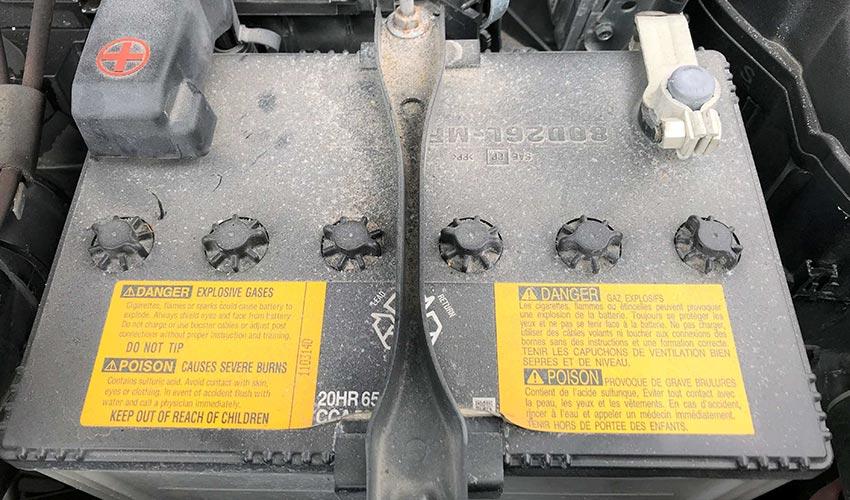
Car batteries need care to stay healthy and last longer. Simple steps can stop your battery from dying while parked. Regular checks and cleaning help your battery work well. Driving often also keeps the battery charged.
These tips make battery problems less likely. They save time and money by avoiding unexpected car troubles.
Regular Battery Inspections
Check your battery every few months. Look for cracks, leaks, or swelling. These signs show the battery may fail soon. Use a voltmeter to test the battery’s charge. A healthy battery should read around 12.6 volts or more. Replace the battery if the charge is low.
Keep Terminals Clean
Dirty battery terminals cause poor connection. Remove corrosion using a mix of baking soda and water. Apply the mixture with a brush and rinse with water. Dry the terminals before reconnecting the cables. Clean terminals help the battery deliver power better.
Drive Regularly To Recharge
Short trips do not fully recharge the battery. Drive your car for at least 20 minutes at a time. This helps the alternator charge the battery fully. If parked for a long time, consider using a battery maintainer. Regular driving keeps your battery ready to start your car.
Credit: caamagazine.com
Read more: How Long Can Car Battery Last Without Driving: Maximize Lifespan
Frequently Asked Questions
Why Does My Car Battery Die While Parked?
A battery may drain due to leaving lights on, electrical faults, or a weak battery.
How Long Can A Car Battery Last Without Driving?
A car battery can last about 2-4 weeks without use before it starts to drain.
Can Cold Weather Cause My Battery To Die When Parked?
Yes, cold weather slows battery chemical reactions, reducing power and causing it to die.
What Should I Check If My Car Battery Keeps Dying?
Check for lights left on, faulty wiring, or a failing battery that needs replacement.
How Can I Prevent My Car Battery From Dying While Parked?
Turn off all electronics, drive regularly, and get the battery tested if problems persist.
Conclusion
A car battery that dies while parked can cause many problems. Checking for electrical drains helps find hidden issues. Regular battery tests keep your car reliable. Clean battery terminals improve connection and power flow. Using your car often prevents battery discharge.
If problems continue, a mechanic can help quickly. Taking small steps saves time and money later. Stay alert and keep your battery healthy. Your car will start smoothly every time.
As Amazon Associate, we earn from qualifying purchases.