How to Read Dipstick for Oil: Easy Steps for Accurate Checks
Knowing how to read a dipstick for oil is a simple skill that can save you time and money. Your car’s engine depends on the right amount of oil to run smoothly, and checking it regularly helps you avoid costly repairs.
If you’ve ever wondered whether your oil level is too low or just right, this guide is for you. By the end, you’ll feel confident checking your oil like a pro—no mechanic needed. Keep reading, and take control of your car’s health today.
Credit: www.ntmpo.sk
How to Read Dipstick for Oil
Preparing Your Vehicle
Before checking your oil with a dipstick, prepare your vehicle carefully. Proper preparation helps you get an accurate oil level reading. It also keeps you safe during the process. Follow these simple steps for the best results.
Park On A Level Surface
Find a flat, even spot to park your car. This stops the oil from moving to one side. A level surface ensures the dipstick shows the true oil level. Avoid slopes or uneven ground for this task.
Turn Off The Engine
Switch off your engine before checking the oil. The engine heat can cause oil to move around. Turning it off lets the oil settle in the pan. It also keeps you safe from hot engine parts.
Wait For The Oil To Settle
Give the oil time to settle after turning off the engine. Wait at least five to ten minutes. This pause lets the oil flow back into the pan. It makes the dipstick reading more accurate.
Read more: How to Check Engine Oil in a Car Step by Step: Easy Guide

Credit: www.reddit.com
Locating The Dipstick
Locating the dipstick is the first step in checking your car’s oil level. It is usually easy to find but may look different depending on your vehicle model. The dipstick helps you see how much oil is in the engine. Knowing where it is saves time and helps keep your car running smoothly.
Identifying The Dipstick Handle
The dipstick handle often stands out with a bright color. Common colors include yellow, orange, or red. It is usually a small loop or a flat tab. The handle sits near the engine block. Pulling this handle lets you check the oil level quickly.
Consulting The Owner’s Manual
The owner’s manual is a great help for finding the dipstick. It shows the exact location and what the dipstick looks like. The manual also gives tips on how to check oil correctly. Keep the manual in your car for easy access.
Removing And Cleaning The Dipstick
Removing and cleaning the dipstick is the first step in checking your engine oil. This process helps you get a clear and accurate reading of the oil level. It also ensures no dirt or old oil blocks the view on the dipstick.
Pulling Out The Dipstick
Find the dipstick handle, usually a bright loop or knob. Pull it out slowly and straight. Avoid twisting or jerking to prevent damage. Hold it steady to keep oil from dripping everywhere.
Wiping Off Oil Residue
Use a clean cloth or paper towel to wipe the dipstick. Remove all oil from the metal part. This makes it easier to see the fresh oil level. Never use a dirty rag to clean the dipstick. Dirt can mix with oil and cause engine problems.
Checking The Oil Level
Checking the oil level is a simple task that helps keep your engine healthy. It prevents damage caused by low or dirty oil. This step is important for every car owner. Knowing how to check the oil level saves time and money on repairs.
Reinserting The Dipstick Fully
Start by wiping the dipstick clean with a cloth. Push the dipstick all the way back into the tube. Make sure it is fully inserted. This ensures an accurate reading of the oil level. Pull it out slowly to avoid smearing the oil.
Reading The Oil Markings
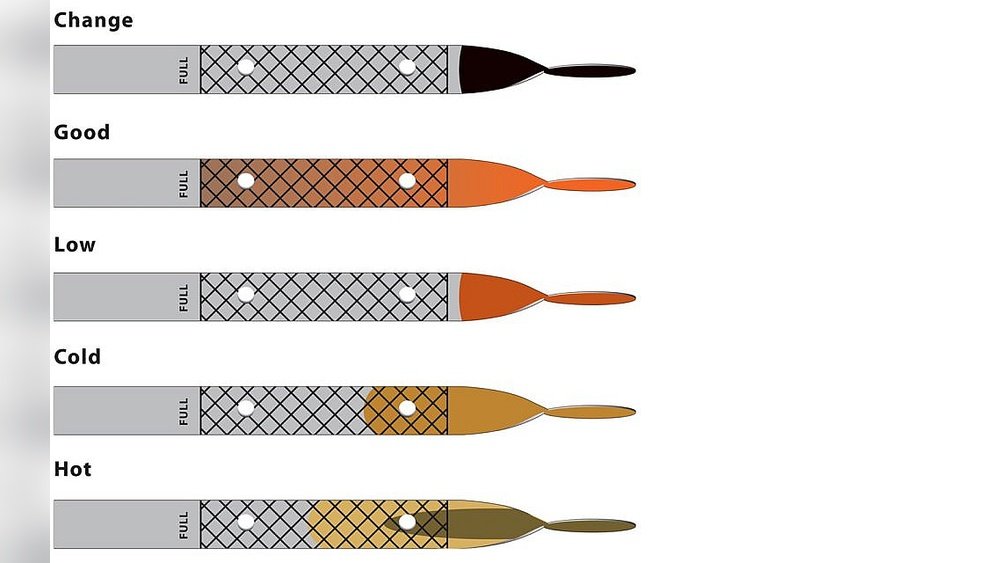
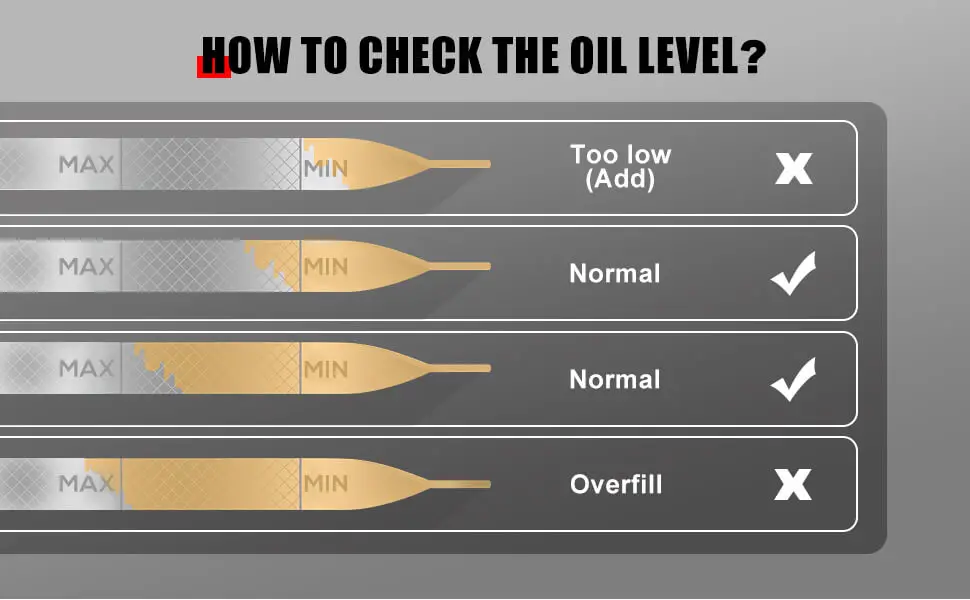
Look at the end of the dipstick for marks. These usually show “Full” and “Low” or two holes. The oil should be between these marks. Check the color too. Clean oil looks amber and clear. Dark or dirty oil means it needs changing.
Interpreting The Results
If the oil is below the low mark, add more oil. Do not overfill it, or the engine may get damaged. If the oil is at the full mark, the level is good. Regular checks help catch problems early. This keeps your engine running smoothly and lasts longer.
Maintaining Proper Oil Levels
Maintaining proper oil levels is key to keeping your engine healthy. Oil lubricates parts and prevents wear. Low oil can cause serious damage. Checking the dipstick helps you spot low levels early. This simple step saves time and money on repairs.
Regular oil checks protect your vehicle’s performance. It also extends engine life. Knowing how to add oil and monitor levels keeps your car running smoothly.
Adding Oil If Needed
Start by parking on a flat surface. Turn off the engine and wait a few minutes. Pull out the dipstick and wipe it clean. Reinsert it fully, then pull it out again. Check the oil level on the dipstick marks.
If the oil is below the minimum mark, add oil slowly. Use the type your car’s manual recommends. Pour small amounts and recheck the level each time. Avoid overfilling, as too much oil can harm the engine.
Monitoring Regularly
Check oil levels at least once a month. Also, check before long trips or heavy driving. Watch for changes in color or smell of the oil. Dark or burnt oil means it’s time for a change.
Regular monitoring helps catch leaks or engine problems early. Keep a record of oil checks to track changes over time. This simple habit keeps your car reliable and safe.

Credit: www.machinerylubrication.com
Read more: Why Does My Car Make Loud Humming Noise At Highway Speeds: Causes & Fixes
Frequently Asked Questions
How Do I Check Oil Level With A Dipstick?
Pull out the dipstick, wipe it clean, reinsert fully, then pull out again to check oil level.
What Does Oil Color On Dipstick Indicate?
Clear or amber oil means good condition; dark or dirty oil may need changing soon.
How Often Should I Read My Engine Oil Dipstick?
Check your oil at least once a month or before long trips to keep the engine healthy.
Conclusion
Reading your car’s oil dipstick is simple and important. It helps you check oil levels and keep the engine healthy. Always pull the dipstick out, wipe it clean, then dip it back in fully. Look at the oil mark to see if it’s between the low and full lines.
Clean oil looks clear or light brown. Dark, dirty oil means you may need a change. Regular checks prevent engine damage and save money. Take a few minutes to do this often. Your car will run better and last longer.
Easy steps, big benefits.
- Park your car on level ground and let the engine cool.
- Pull out the dipstick, wipe it clean, then reinsert and remove again.
- Check oil level between the “Min” and “Max” marks and note the oil’s color.
As Amazon Associate, we earn from qualifying purchases.