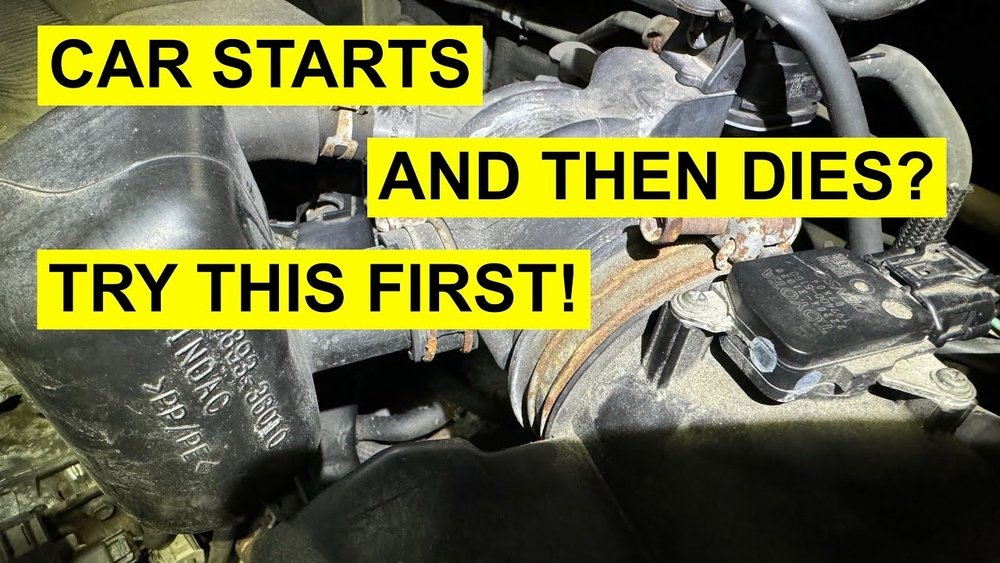
Car Starts And Then Dies: Quick Fixes to Save Your Ride
Have you ever turned the key in your car’s ignition, only to have the engine start for a moment and then suddenly die? It’s frustrating, confusing, and can leave you stranded at the worst possible time.
You might wonder what’s wrong and worry about costly repairs. The good news is, you’re not alone—and understanding why this happens can save you time, money, and stress. Keep reading to discover the common reasons behind your car starting and then dying, and how you can fix the problem before it gets worse.
car starts and then dies
Common Causes Of Stalling
Car stalling can be frustrating and dangerous. It happens when the engine starts but then quickly dies. Understanding why this occurs helps fix the problem faster. Many factors cause stalling. Some affect fuel delivery, others impact the ignition system or air flow. Learning these common causes helps you spot issues early and avoid bigger repairs.
Fuel System Issues
The engine needs fuel to run. Problems in the fuel system can stop this supply. A clogged fuel filter blocks fuel from reaching the engine. A failing fuel pump may not send enough fuel pressure. Dirty or bad fuel injectors can also disrupt fuel flow. Any of these issues cause the engine to stall after starting.
Ignition Problems
The ignition system makes the spark to ignite fuel. Faulty spark plugs can fail to create a strong spark. Worn ignition coils lead to weak or no spark. A bad ignition switch or wiring can cut power to the engine. These faults cause the engine to start but then shut off quickly.
Air Intake Blockages
The engine needs air to mix with fuel for combustion. Blocked air filters reduce air flow. A dirty throttle body can restrict air entering the engine. Any blockage lowers engine performance and can cause stalling. Clean air filters and throttle bodies help keep the engine running smoothly.

Credit: www.dubizzle.com
Check Your Battery And Alternator
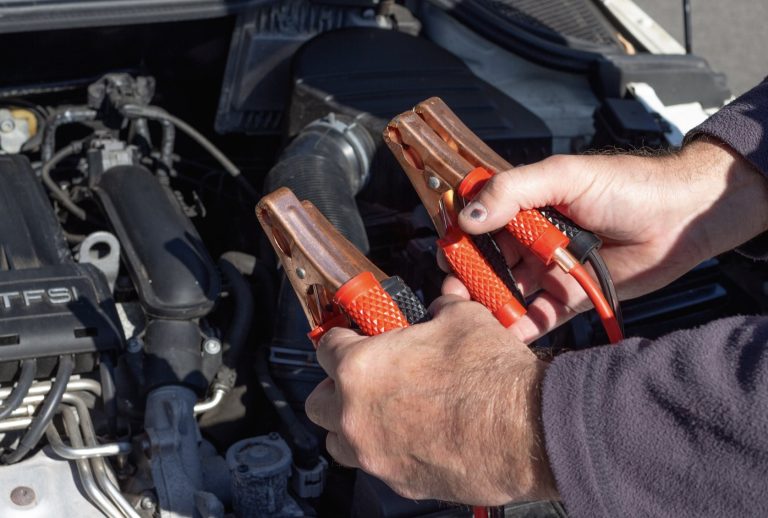
A car that starts and then dies often points to problems with the battery or alternator. These two parts work together to keep your car running smoothly. Checking them can help find the root of the problem quickly.
The battery provides the initial power to start the engine. The alternator charges the battery and powers electrical systems while the engine runs. If either one fails, the car may start but then die soon after.
Testing Battery Health
Begin by testing the battery’s health. Use a multimeter to check the voltage. A fully charged battery should show about 12.6 volts. Lower voltage means the battery is weak or dead.
Look for signs of corrosion on battery terminals. Clean terminals ensure a good connection. Also, check the battery age. Most batteries last about three to five years.
Inspecting Alternator Performance
Next, inspect the alternator’s performance. Start the car and measure voltage at the battery. It should read between 13.7 and 14.7 volts with the engine running.
If voltage is low or not increasing, the alternator may not charge the battery properly. Listen for unusual noises from the alternator. Strange sounds can indicate internal damage.
Check the alternator belt for wear or looseness. A slipping belt reduces alternator output. Fixing these issues can prevent your car from dying after it starts.
Inspect The Fuel Pump And Filter
When a car starts and then dies, the fuel system often plays a key role. The fuel pump and filter work together to deliver clean fuel to the engine. Problems in these parts can cause the engine to stop running after starting. Checking the fuel pump and filter is a smart first step to fix this issue.
Signs Of Fuel Pump Failure
The fuel pump moves fuel from the tank to the engine. A failing pump can cause the engine to stall. You might notice the engine sputters or dies suddenly. The car may also struggle to start or not start at all. A whining noise from the fuel tank area can signal pump trouble. Low fuel pressure means the engine does not get enough fuel. This can cause rough idling or a loss of power.
Replacing A Clogged Fuel Filter
The fuel filter cleans dirt and debris from the fuel. A clogged filter blocks fuel flow and starves the engine. This leads to the engine starting then dying quickly. Replacing the fuel filter is a simple fix that restores fuel flow. Filters need changing as part of regular maintenance. Signs of a clogged filter include poor acceleration and engine hesitation. Always use the correct filter type for your car model. Replacing the filter can improve engine performance and prevent stalling.
Credit: www.alexandersimportautorepair.com
Read more: Hooked Battery Up Backwards Now Car Won’t Start: Fix Tips
Clean Or Replace The Idle Air Control Valve
The idle air control (IAC) valve manages the engine’s idle speed. Dirt or wear can cause it to fail. This failure can lead to the car starting and then dying quickly. Cleaning or replacing the IAC valve is a key step to fix this problem.
Regular maintenance of the IAC valve keeps the engine running smoothly. It controls the amount of air bypassing the throttle plate. This helps the engine stay stable at idle. A clogged or broken valve disrupts airflow, causing the engine to stall.
Role Of The Idle Air Control Valve
The IAC valve regulates air entering the engine at idle. It adjusts airflow to keep the engine running evenly. Without this control, the engine may stall or run rough. The valve works with the engine control unit to maintain proper idle speed.
A dirty or faulty IAC valve can cause the car to start and then die. Cleaning removes dirt that blocks air passage. Replacing the valve fixes mechanical or electrical faults. Both actions restore proper airflow and engine function.
Steps To Clean Or Replace It
First, locate the IAC valve on the throttle body. Disconnect the electrical connector from the valve. Remove the screws holding the valve in place. Carefully take out the valve without damaging it.
To clean, spray throttle body cleaner on the valve. Use a soft brush to remove dirt and buildup. Let it dry completely before reinstalling. If cleaning does not help, replace the valve with a new one.
Reinstall the valve and connect the electrical plug. Start the engine to check if it runs smoothly. The car should no longer start and then die. Repeat cleaning or replacement if needed for best results.
Addressing Sensor And Electrical Issues
Sensor and electrical problems often cause a car to start and then die. These issues stop the engine from getting the correct signals. Fixing these faults can make the car run smoothly again. Checking sensors and electrical parts helps find the exact problem quickly.
Mass Air Flow Sensor Checks
The mass air flow (MAF) sensor measures the air entering the engine. A dirty or faulty MAF sensor sends wrong data to the engine control unit. This mistake can cause the engine to stall right after starting. Clean the MAF sensor using a special cleaner. Avoid touching the sensor’s delicate parts. If cleaning does not help, replace the sensor with a new one. This simple step often solves the start and stall problem.
Read more: Car Not Starting But Battery is Fine: Troubleshoot Now
Fixing Wiring And Connector Problems
Wiring and connectors carry signals to and from sensors. Loose or damaged wires disrupt these signals. This disruption can make the engine stop running after it starts. Inspect the wiring harness for cuts, burns, or corrosion. Tighten any loose connectors carefully. Use electrical contact cleaner to remove dirt and rust. Repair or replace broken wires using proper tools. Well-maintained wiring ensures smooth communication between sensors and the engine.

Credit: www.youtube.com
Frequently Asked Questions
Why Does My Car Start And Then Immediately Die?
This usually happens due to fuel, air, or ignition problems stopping the engine from running.
How Can A Bad Fuel Pump Cause Car To Start Then Die?
A failing fuel pump can’t supply enough fuel, so the engine quickly loses power.
Can A Dirty Idle Air Control Valve Cause This Issue?
Yes, a clogged valve can stop air flow, causing the engine to stall right after starting.
- Check for fuel delivery problems like a clogged fuel filter or bad pump.
- Inspect the ignition system and battery connections.
- Faulty sensors or air intake issues can cause the car to start and then die.
Conclusion
A car that starts and then dies often needs quick attention. Common causes include fuel issues, spark problems, or sensor faults. Checking these parts can help find the problem fast. Regular car care reduces chances of sudden breakdowns. Don’t ignore small signs; they prevent bigger troubles.
Stay calm and act wisely to keep your car running well. Understanding the issue saves time and money. Keep your vehicle healthy with simple checks today.
As Amazon Associate, we earn from qualifying purchases.