
Loss of Power on Acceleration: Causes, Fixes, and Prevention Tips
Have you ever pressed the gas pedal, expecting your car to speed up, only to feel it struggle and lose power instead? That sudden drop in acceleration can be frustrating and even dangerous.
Understanding why your vehicle loses power when you accelerate is key to fixing the problem quickly and keeping your drive smooth and safe. You’ll discover the common causes behind this issue and learn simple steps to get your car back to its full strength.
Keep reading—you deserve a ride that responds exactly when you need it.
loss of power on acceleration

Credit: www.firestonecompleteautocare.com
Common Causes Of Power Loss
Power loss on acceleration can feel frustrating and unsafe. The engine struggles to deliver the needed boost. This problem often points to specific issues inside the vehicle. Identifying common causes helps fix the problem faster and avoids further damage.
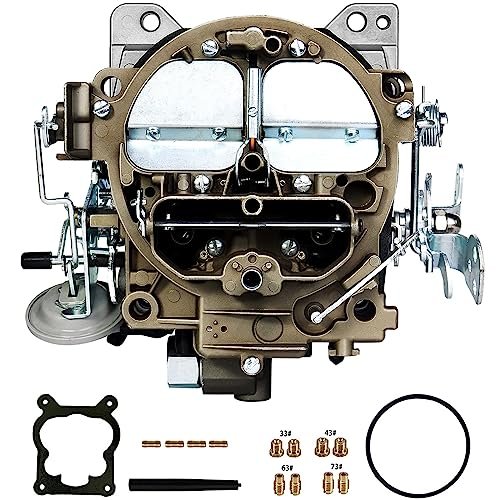
Several systems in your car work together for smooth acceleration. Problems in these systems can reduce engine power. The fuel system, air intake, ignition, and exhaust all play key roles. Each system can cause power loss if it malfunctions.
Fuel System Issues
The fuel system supplies the engine with gasoline or diesel. A clogged fuel filter stops enough fuel from reaching the engine. Dirty or failing fuel injectors spray fuel unevenly. Fuel pump problems reduce pressure and fuel flow. These issues lower engine power and cause hesitation during acceleration.
Air Intake Problems
The engine needs air to burn fuel properly. A dirty air filter blocks airflow and reduces power. Leaks in the intake hose let unmetered air enter the system. Faulty sensors may misread air volume and disrupt the fuel mix. Poor air supply leads to weak acceleration and rough running.
Ignition System Faults
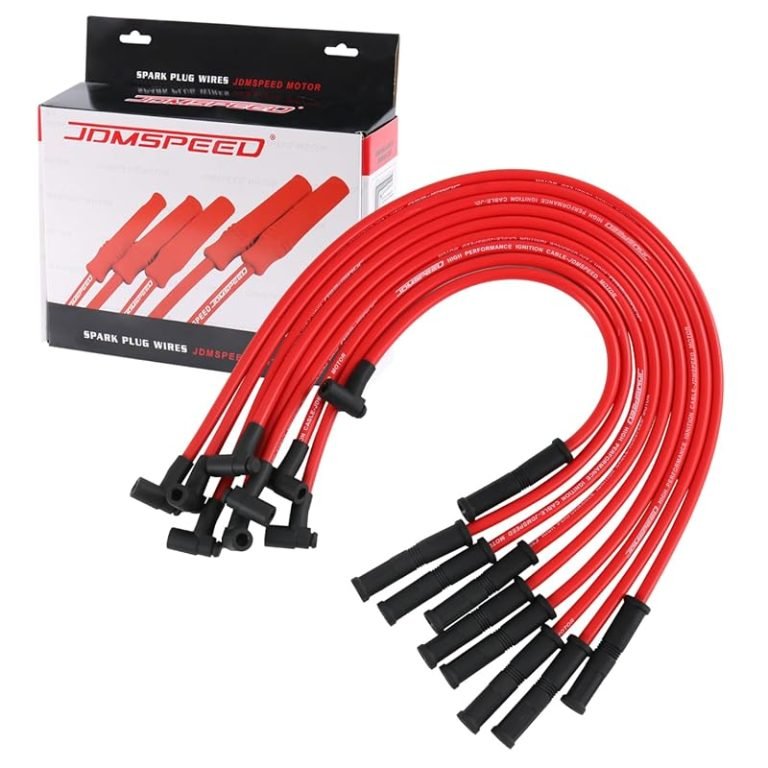
The ignition system lights the fuel-air mix in the engine. Worn spark plugs cause weak or no spark. Ignition coils may fail and stop firing cylinders. Faulty wires or connections reduce spark strength. These problems cause misfires and poor engine response on acceleration.
Exhaust Restrictions
The exhaust system removes gases from the engine. A clogged catalytic converter blocks exhaust flow. Damaged mufflers or pipes create backpressure. This backpressure limits engine output and reduces power. Exhaust restrictions often cause sluggish acceleration and engine strain.

Credit: www.reddit.com
Diagnosing Power Loss Problems
Power loss during acceleration can make driving frustrating and unsafe. Diagnosing these problems early helps prevent bigger issues. Understanding the root cause of power loss saves time and money on repairs.
Diagnosing power loss problems requires a careful look at the engine and vehicle systems. It involves checking parts, using tools, and noting symptoms that point to the cause. This section explains how to diagnose power loss effectively.
Performing Engine Checks
Start by inspecting the engine for obvious issues. Check the air filter for dirt or blockage. A clogged filter limits air flow and reduces power. Look at spark plugs for wear or damage. Bad spark plugs cause poor combustion and weak acceleration.
Also, check fuel lines and injectors. Dirty or clogged injectors lower fuel flow. This causes rough running and power loss. Inspect belts and hoses for cracks or leaks. These parts affect engine performance and should be in good condition.
Using Diagnostic Tools
Diagnostic tools help find hidden engine problems. An OBD-II scanner reads error codes from the engine computer. These codes guide you to specific faults. Use a multimeter to test sensors and electrical parts. It helps spot wiring issues and weak signals.
Fuel pressure gauges check if the fuel system delivers enough pressure. Low fuel pressure often causes power loss. Smoke testers find vacuum leaks that affect engine air flow. These tools save time and improve accuracy in diagnosis.
Identifying Symptoms
Noticing symptoms helps narrow down the problem. Hesitation during acceleration may signal fuel or spark issues. Stalling or rough idle shows fuel or air supply problems. Strange noises like knocking or pinging indicate engine stress.
Black or blue smoke from the exhaust points to fuel or oil problems. Poor fuel economy also suggests engine inefficiency. Write down all symptoms clearly. This information helps mechanics or guides your own repair efforts.
Effective Repair Solutions
Effective repair solutions restore your vehicle’s power and performance. These repairs address common causes of loss of power during acceleration. Proper fixes improve fuel efficiency and engine response. They also prevent further damage and costly repairs.
Fuel System Repairs
Clogged fuel injectors reduce fuel flow to the engine. Cleaning or replacing injectors restores proper fuel delivery. Fuel pumps can also fail, causing low pressure. Testing and replacing faulty pumps fixes this issue. Fuel filters block dirt and debris. Changing filters ensures clean fuel reaches the engine.
Replacing Air Filters And Sensors
Dirty air filters limit air intake and reduce power. Replacing filters allows the engine to breathe better. Mass air flow sensors measure air entering the engine. Faulty sensors send wrong data to the computer. Replacing these sensors helps the engine run smoothly. Clean air and correct sensor data improve acceleration.
Read more: Car Loses Power Then Comes Back: Causes and Quick Fixes Explained
Ignition Component Fixes
Worn spark plugs cause weak or misfiring sparks. Replacing spark plugs restores strong ignition. Ignition coils generate spark for the plugs. Faulty coils lead to power loss. Replacing coils fixes this problem. Proper ignition timing is key for good acceleration.
Clearing Exhaust Blockages
Blocked catalytic converters restrict exhaust flow. This causes back pressure and power loss. Removing or cleaning clogged converters improves exhaust flow. Exhaust leaks also reduce engine power. Sealing leaks restores normal engine function. Clear exhaust paths help engines run efficiently.
Preventing Future Power Loss
Preventing future power loss on acceleration helps keep your car running smoothly. Small efforts can avoid big engine problems. Focus on simple steps that protect your vehicle’s power and efficiency.
Regular Maintenance Tips
Change engine oil and filters regularly. Clean or replace spark plugs on time. Check belts and hoses for wear and tear. Maintain the cooling system to avoid overheating. Follow the service schedule in your owner’s manual.
Monitoring Fuel Quality
Use good quality fuel from trusted stations. Avoid fuel with impurities or water. Consider fuel additives to clean the fuel system. Poor fuel can clog injectors and reduce power. Keep the fuel tank clean to prevent contamination.
Keeping Air And Exhaust Systems Clean
Replace air filters regularly to ensure good airflow. Clean the throttle body and intake valves. Check for leaks in the exhaust system. A clogged exhaust reduces engine power and efficiency. Keep sensors clean for accurate engine control.
When To Seek Professional Help
Loss of power during acceleration can signal serious engine problems. Knowing when to seek professional help protects your vehicle and your safety. Some issues need expert tools and skills to diagnose and fix properly.
Complex Engine Issues
Sometimes the cause of power loss is hidden deep in the engine. Problems with fuel injection, ignition, or sensors require special equipment. Mechanics can perform detailed checks to find the exact issue. Attempting repairs without knowledge may worsen the problem.
Persistent Power Loss
Power loss that lasts more than a few days needs attention. Temporary drops might clear up, but constant issues suggest a bigger fault. Ignoring persistent problems can lead to engine damage. A professional can identify and repair the cause quickly.
Read more: Car Starts And Then Dies: Quick Fixes to Save Your Ride
Safety Concerns
Power loss can affect your control of the vehicle. Sudden drops in power during acceleration may cause dangerous situations. Visiting a mechanic ensures your car runs safely. Protect yourself and others by addressing power issues immediately.

Credit: www.youtube.com
Frequently Asked Questions
What Causes Loss Of Power During Car Acceleration?
Loss of power during acceleration often happens due to fuel or air flow problems, engine issues, or clogged filters.
How Can I Fix Loss Of Power On Acceleration?
Check and replace air filters, clean fuel injectors, and inspect spark plugs for better engine performance.
Can Bad Fuel Cause Power Loss When Accelerating?
Yes, poor-quality or contaminated fuel can reduce engine power and cause rough acceleration.
Conclusion
Loss of power on acceleration can be frustrating and dangerous. Knowing the common causes helps you find the problem fast. Check your fuel system, air filter, and spark plugs regularly. Keep your car well-maintained to avoid sudden power loss. Don’t ignore warning signs or strange sounds while driving.
Fixing issues early saves money and keeps you safe. A smooth ride depends on a healthy engine and parts. Stay alert and act quickly if your car feels weak when accelerating. Your safety and comfort matter most on every trip.
As Amazon Associate, we earn from qualifying purchases.