How Do You Fix Loss of Power When Accelerating: Quick Solutions
To fix loss of power when accelerating, check and replace clogged fuel filters, dirty air filters, or faulty spark plugs. Inspect the mass airflow sensor, fuel pump, and catalytic converter. Regular maintenance and timely repairs ensure proper fuel flow and engine performance for smooth acceleration.
Losing power when accelerating is a common problem, but the good news is that you don’t have to stay stuck with it. You’ll discover simple and effective ways to find out what’s causing the issue and how to fix it.
Keep reading, and you’ll be back to smooth, powerful driving in no time.
Credit: www.breakerlink.com
How Do You Fix Loss of Power When Accelerating
Common Causes Of Power Loss
Loss of power during acceleration can be frustrating and dangerous. Many car problems cause this issue. Understanding the common causes helps to find the right fix quickly. Below are some typical reasons your vehicle might lose power.
Fuel System Issues
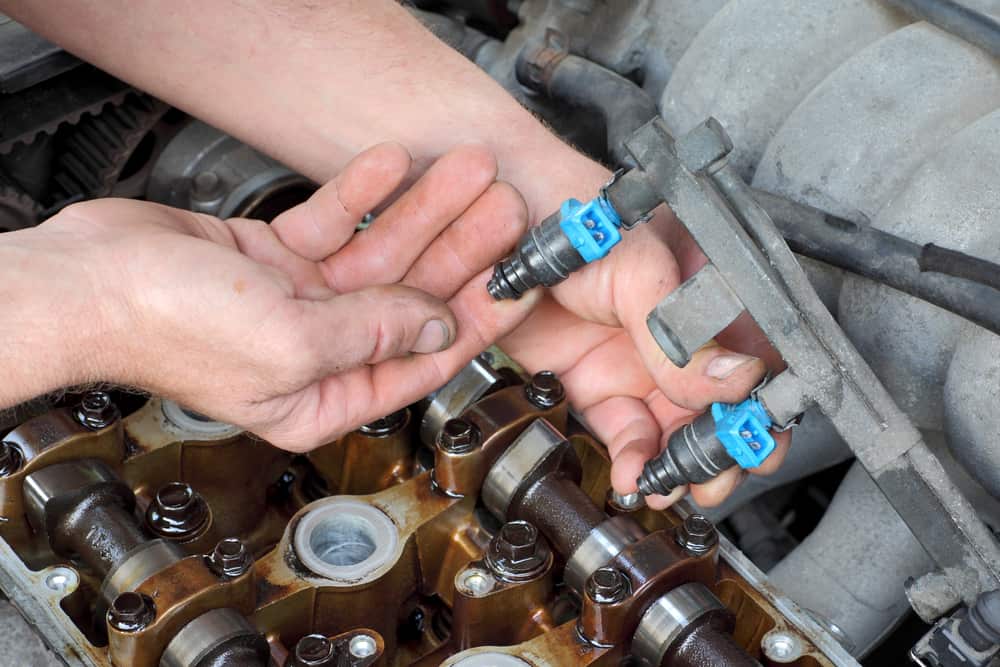
The fuel system supplies fuel to the engine. Clogged fuel filters block fuel flow. Dirty fuel injectors spray uneven fuel. A weak fuel pump cannot push enough fuel. These problems reduce engine power during acceleration.
Air Intake Problems
Engines need air for combustion. A dirty air filter limits airflow. A blocked intake hose restricts air entry. Faulty sensors misread air volume. These issues cause poor engine performance and power loss.
Ignition System Faults
The ignition system creates sparks to start combustion. Worn spark plugs produce weak sparks. Bad ignition coils fail to ignite fuel. Damaged wires disrupt the spark flow. These faults lead to engine misfires and power drops.
Credit: www.youtube.com
Read more: Car Loses Power While Driving: Causes & Solutions
Quick Checks Before Driving
Before driving, quick checks can save time and avoid trouble. They help find common issues causing power loss. These checks are simple and take only a few minutes. Regular inspection keeps your car running smoothly and safely. Focus on key parts that affect acceleration. Start with fuel, air, and spark plugs. These areas often cause problems if ignored.
Inspect Fuel Quality
Poor fuel can make your car lose power fast. Check the fuel tank for water or dirt. Use clean, fresh fuel from a trusted station. Avoid filling up at places with low-quality gasoline. Bad fuel clogs the system and reduces engine performance. Keep fuel additives handy to clean the fuel system.
Check Air Filter Condition
A dirty air filter limits air flow to the engine. This reduces power and fuel efficiency. Remove the air filter and look for dust or debris. Replace the filter if it looks clogged or dark. Clean air filters improve engine breathing and acceleration. Change the air filter every 12,000 miles or as needed.
Examine Spark Plugs
Spark plugs ignite the fuel-air mix in the engine. Worn or dirty plugs cause misfires and power loss. Pull out each spark plug and check for damage or buildup. Replace plugs every 30,000 miles or if they look bad. Good spark plugs ensure smooth and strong engine power.
Simple Fixes For Fuel System
Simple fixes for the fuel system can often solve power loss during acceleration. The fuel system delivers fuel to the engine. Dirt or damage can stop fuel from flowing properly. This causes the engine to lose power. Checking and fixing basic parts can bring back smooth acceleration.
Clean Fuel Injectors
Fuel injectors spray fuel into the engine. Over time, they can get dirty or clogged. Dirty injectors reduce fuel flow and engine power. Cleaning them helps restore proper fuel spray. Use a fuel injector cleaner or visit a mechanic. Clean injectors improve fuel delivery and engine response.
Replace Fuel Filter
The fuel filter stops dirt from reaching the engine. A clogged filter blocks fuel flow. This causes weak acceleration and engine stalling. Replacing the fuel filter is simple and cheap. Check your vehicle’s manual for replacement intervals. A new filter ensures clean fuel reaches the engine.
Check Fuel Pump Function
The fuel pump moves fuel from the tank to the engine. A weak or failing pump reduces fuel pressure. Low pressure causes loss of power when accelerating. Test the fuel pump pressure with a gauge. Replace the pump if it does not meet specs. A healthy fuel pump keeps fuel flowing steadily.

Credit: thevolvolife.com
Addressing Airflow And Ignition
Loss of power during acceleration often links to airflow and ignition issues. Both parts work together to keep your engine running smoothly. Clean air helps fuel burn well. Good sparks ignite the fuel-air mix. Fixing these areas can restore power fast.
Replace Dirty Air Filters
Air filters stop dust and dirt from entering the engine. Over time, filters get clogged. This blocks air and makes the engine work harder. Swap old filters with new ones regularly. Fresh filters let air flow freely. This improves engine performance and fuel use.
Test And Replace Spark Plugs
Spark plugs start the engine’s power by igniting fuel. Worn or dirty plugs cause weak sparks. This leads to poor acceleration and rough idling. Check plugs every 30,000 miles or as the manual says. Replace plugs that look worn or damaged. New plugs create strong sparks and smooth power.
Inspect Ignition Coils
Ignition coils send electricity to spark plugs. Faulty coils cause misfires and power loss. Listen for engine hesitation or shaking. Use a tool to test coil resistance. Replace coils that fail tests or show cracks. Healthy coils keep sparks strong and engine running well.
When To Seek Professional Help
Knowing when to seek professional help is key to fixing loss of power during acceleration. Some problems need expert tools and knowledge. Acting quickly can save money and keep your car safe. Learning the signs helps you decide when to visit a mechanic.
Persistent Power Loss Symptoms
Power loss that stays after basic checks needs a professional. Rough idling, stalling, or slow acceleration are warning signs. If the engine feels weak all the time, do not ignore it. These symptoms often show deeper engine problems.
Diagnostic Tool Usage
Mechanics use special tools to find hidden issues. A scan tool reads error codes from the engine computer. These codes guide the mechanic to the exact problem. Without this tool, many problems remain unseen.
Complex Engine Issues
Some engine problems require expert repairs. Fuel system failures, turbocharger faults, or transmission issues need skill. Professionals have the right parts and experience to fix these. Trying to fix complex issues alone can cause more damage.
Frequently Asked Questions
Why Does My Car Lose Power When Accelerating?
Loss of power during acceleration can be caused by fuel issues, dirty air filters, or faulty spark plugs.
How Can I Fix Acceleration Power Loss In My Vehicle?
Check and replace air filters, clean fuel injectors, and inspect spark plugs for damage or wear.
When Should I See A Mechanic For Power Loss Issues?
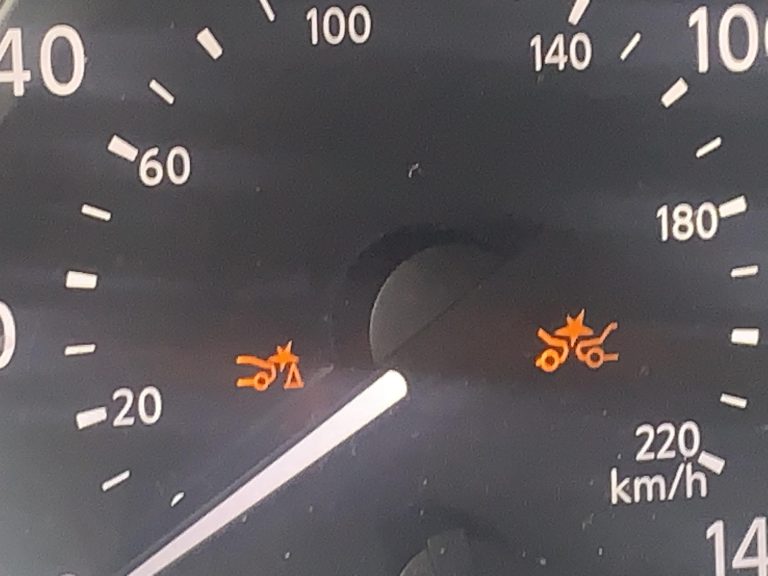
If power loss continues after basic checks, or if warning lights appear, visit a mechanic promptly.
Conclusion
Fixing loss of power when accelerating can save time and money. Start by checking the fuel system and air filter for blockages. Inspect spark plugs and ignition parts to ensure proper firing. Don’t ignore the exhaust system, as clogs reduce engine strength.
Regular maintenance keeps your car running smoothly and prevents future problems. Act quickly to avoid unsafe driving conditions. With simple steps, your vehicle can regain its power and drive better. Keep your engine healthy for a safer, smoother ride every time.
As Amazon Associate, we earn from qualifying purchases.