Truck Whining When Accelerating: Causes and Quick Fixes
Is your truck making a high-pitched whining noise every time you step on the gas? That sound can be more than just annoying—it could signal a problem that affects your truck’s performance and safety.
You might wonder what’s causing it and whether it’s something you can fix yourself or need a professional for. Keep reading to uncover the common reasons behind that whining noise and what you can do to get your truck running smoothly again.
Don’t ignore the sound—understanding it now can save you time and money down the road.

Credit: www.wikihow.com
Truck Whining When Accelerating
Common Causes Of Truck Whining
Truck whining during acceleration can be a worrying sound. It often signals a mechanical problem that needs attention. Understanding the common causes helps identify the issue quickly. This way, you can avoid costly repairs and keep your truck running smoothly.
Transmission Issues
A whining noise may come from transmission problems. Low transmission fluid or worn gears often cause this sound. If the transmission fluid is dirty, it can lead to overheating. Overheated parts produce whining noises during acceleration. Fixing transmission problems early prevents major damage.
Power Steering Problems
The power steering system can also cause whining. Low power steering fluid is a common cause. A failing power steering pump makes a high-pitched whine. This noise often gets louder when turning or accelerating. Checking and refilling the fluid can stop the whining.
Belt And Pulley Wear
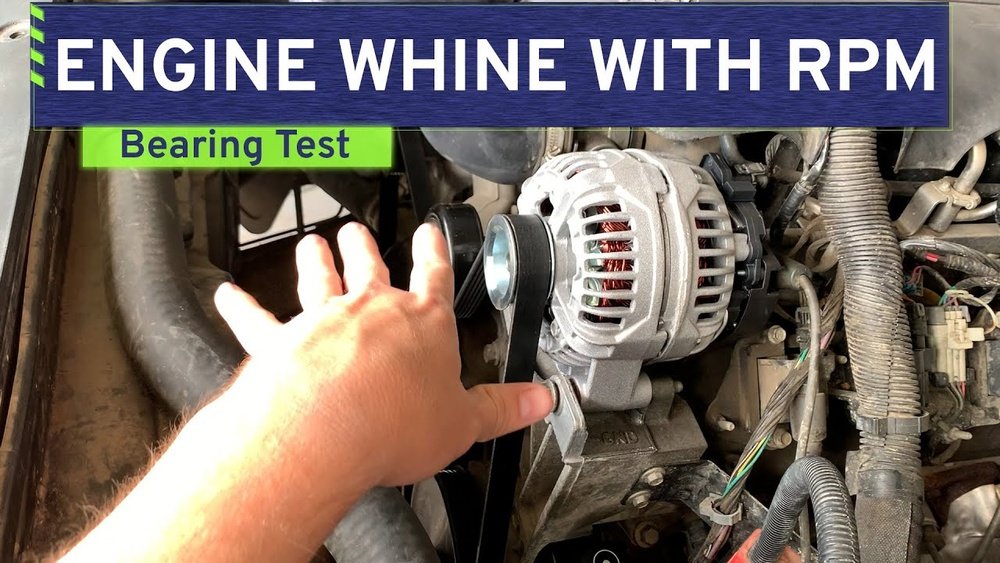
Worn belts and pulleys create whining sounds too. Belts may slip or become loose over time. A slipping belt causes a squealing or whining noise. Pulleys with damaged bearings add to the noise. Replacing worn belts and pulleys restores smooth operation.
Turbocharger Noise
Some trucks have turbochargers that can whine when accelerating. Turbo whine is a high-pitched sound from spinning parts. If the turbo’s bearings wear out, noise increases. Boost leaks or damaged hoses can also cause whining. Regular turbo checks keep the system quiet and efficient.
Diagnosing The Whining Sound
Diagnosing a whining sound from your truck during acceleration is key to fixing the issue. The noise could signal different problems. Understanding when and where the sound happens helps narrow down the cause. Using tools can confirm your findings and guide repairs.
Read more: Ticking Noise in Engine When Starting Then Stops: Causes & Fixes
Identifying When The Noise Occurs
Note the exact moments the whining starts. Does it happen only when you speed up? Or is it present at all times? Check if the noise changes with engine load or speed. This information helps identify if the problem is related to the engine, transmission, or other parts.
Listening For Location And Pitch
Try to pinpoint where the sound comes from. Is it under the hood, near the wheels, or inside the cabin? Listen to the pitch of the whine. High-pitched noises often relate to belts or pulleys. Lower-pitched sounds could come from gears or bearings. This step helps focus the inspection on specific areas.
Using Diagnostic Tools
Use a mechanic’s stethoscope to find the noise source more precisely. OBD-II scanners can check for engine or transmission faults linked to the whining. Recording the sound on your phone may help a mechanic diagnose remotely. These tools improve accuracy and speed up repairs.
Quick Fixes For Transmission Whine
Transmission whine can be annoying and may signal a problem. Quick fixes help stop the noise and prevent bigger issues. Some solutions are simple and save time and money. Check fluid levels, replace worn parts, and adjust settings to reduce whining sounds.
Checking Fluid Levels
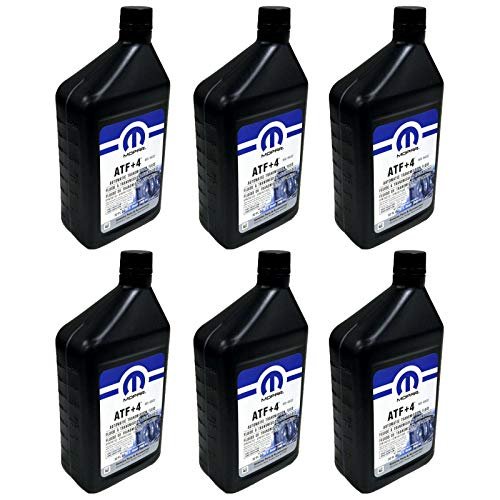
Low transmission fluid often causes whining noises. Check the fluid level using the dipstick. Add the right fluid type if levels are low. Clean and fresh fluid helps the transmission work smoothly. Avoid overfilling, as it can cause leaks and damage.
Replacing Worn Components
Old or damaged parts cause whining sounds during acceleration. Inspect gears, bearings, and seals for wear. Replace worn components promptly to stop noise and improve performance. Use quality parts to ensure long-lasting repair. Regular maintenance prevents early wear and costly fixes.
Adjusting Transmission Settings
Transmission settings affect how smoothly your truck shifts. Incorrect settings can cause whining or slipping. Adjust settings based on the manufacturer’s guidelines or seek professional help. Proper tuning reduces noise and improves driving comfort. Regular checks keep your transmission running well.
Power Steering And Belt Solutions
Power steering and belts play a key role in your truck’s smooth drive. Strange whining sounds during acceleration often link to these parts. Fixing them can stop the noise and improve control.
Refilling Power Steering Fluid
Check the power steering fluid level first. Low fluid causes the pump to work harder and make noise. Open the hood and find the power steering reservoir. Clean the cap before opening to avoid dirt. Use the recommended fluid type for your truck. Pour slowly to avoid overfilling. Close the cap tightly. Run the engine and turn the steering wheel. Watch for noise changes and fluid leaks.
Inspecting And Replacing Belts
Belts drive the power steering pump and other parts. Worn or cracked belts cause whining sounds. Look for cracks, frays, or shiny spots on the belt. Press the belt to check tension. It should feel firm but flexible. Replace belts showing wear or damage. Use the correct belt size for your truck model. New belts run quietly and last longer.
Tightening Loose Pulleys
Loose pulleys cause belts to slip and make noise. Check all pulleys connected to the power steering pump. Use a wrench to test if pulleys move too easily. Tighten any loose bolts or screws. Keep pulleys aligned to avoid extra belt wear. Tight pulleys help the belt grip and reduce whining. Regular pulley checks keep your truck quiet and safe.
When To Seek Professional Help
Truck whining during acceleration can signal a minor issue or a serious mechanical problem. Knowing when to seek professional help can save time and money. Ignoring unusual sounds can lead to bigger repairs. Pay attention to how your truck behaves and acts.
Signs Of Serious Mechanical Issues
Persistent whining that gets louder is a warning sign. Sudden loss of power or rough shifting needs immediate check. Smoke from the engine or burning smell requires urgent attention. Strange vibrations or jerking while accelerating are not normal. These symptoms suggest a deeper mechanical problem. Do not delay visiting a mechanic if these appear.
Cost Considerations
Ignoring whining noises can increase repair costs. Early diagnosis often means simpler, cheaper fixes. Waiting too long may damage important parts. Repair bills can skyrocket if the problem worsens. Budgeting for regular checks can avoid surprise expenses. Professional help might seem costly but saves money in the long run.
Preventive Maintenance Tips
Regular oil changes keep engine parts running smoothly. Check belts and pulleys for wear or damage. Clean or replace air filters to improve performance. Inspect transmission fluid and top up as needed. Schedule routine inspections to catch issues early. Preventive care reduces the chance of whining noises and breakdowns.

Credit: www.youtube.com

Credit: gogirl.co.uk
Frequently Asked Questions
Why Does My Truck Make A Whining Noise When Accelerating?
A whining noise often means worn or low transmission fluid or issues with the power steering pump.
Can A Whining Sound Mean A Problem With My Truck’s Turbo?
Yes, a failing turbocharger can cause whining sounds during acceleration due to worn bearings or leaks.
How Can I Fix A Truck That Whines When I Speed Up?
Check and change fluids, inspect belts, and visit a mechanic to diagnose possible transmission or turbo issues.
Conclusion
A truck whining during acceleration signals a problem needing attention. Ignoring it can cause bigger engine or transmission issues. Regular checks help catch trouble early and keep your truck running smoothly. Simple fixes often stop the noise and save money.
Don’t let the whining get worse. Act soon for safer, quieter drives. Keep your truck healthy and enjoy the road without worries.
As Amazon Associate, we earn from qualifying purchases.