Hooked Battery Up Backwards Now Car Won’t Start: Fix Tips
If you hooked the battery up backwards, it may have blown a fuse, damaged electrical components, or affected the ECU. Check the main fuses first, then inspect for visible wiring damage. If unsure, have a professional diagnose and repair the issue to avoid further problems.
Accidentally hooking up a battery backwards is a common mistake that can lead to a dead car and a headache. But don’t worry—there’s a solution, and you’re about to discover it. This article will walk you through what happens when you connect a battery incorrectly, why your car won’t start, and most importantly, how to fix it.
By the end, you’ll not only understand the problem but also feel confident in solving it. Stay with us to turn this hiccup into a learning experience.
Hooked Battery Up Backwards Now Car Won’t Start
Common Symptoms Of Reversed Battery Connection
| Symptom | Description |
|---|---|
| No Power / Engine Won’t Start | The car will not crank or start due to disrupted electrical flow. |
| Blown Fuses | Several fuses may blow immediately after reversed polarity. |
| Sparks or Smoke | Visible sparks or smoke can appear when the battery is connected improperly. |
| Burning Smell | Electrical components may overheat, causing a burnt or melted plastic smell. |
| Damaged ECU or Electronic Modules | The car’s computer system can get fried, leading to costly repairs. |
| Battery Damage | The battery may overheat, swell, or become permanently damaged. |
| Alternator Failure | The alternator diodes can burn out quickly under reverse polarity. |
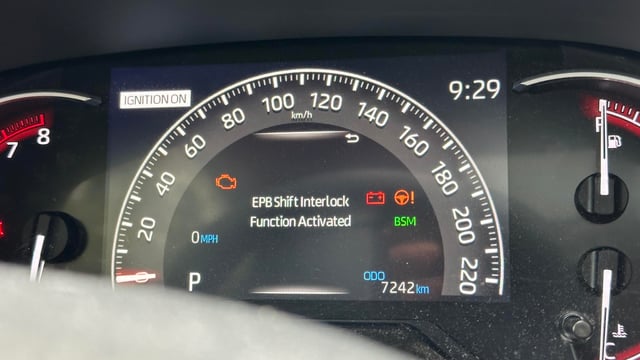
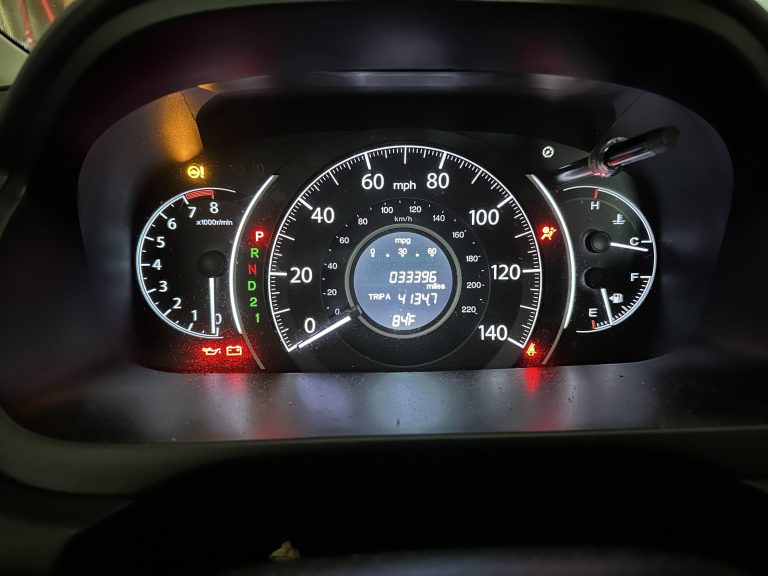
| Dashboard Warning Lights | Lights like the check engine or battery light may flash or remain on. |
| Malfunctioning Electrical Systems | Components like lights, radio, or power windows may stop working properly. |
| Starter Motor Issues | The starter motor can get damaged or may not function at all. |
Connecting a car battery in reverse can lead to various problems. Understanding these symptoms can help diagnose the issue quickly. Being aware of these signs prevents further damage to your vehicle’s electrical system.
Disrupted Electrical Functions
Reversed battery connections often disrupt your car’s electrical functions. You may notice lights flickering or not working at all. The dashboard indicators might behave erratically. These issues can result from incorrect power distribution.
Engine Won’t Start
A reversed battery connection can prevent the engine from starting. The starter motor may not receive the necessary power. This symptom is common when the battery’s polarity is switched.
Blown Fuses
Reversing battery connections often leads to blown fuses. Fuses protect electrical components from power surges. When the battery is hooked up backwards, these surges can occur, damaging the fuses.
Burnt Smell Or Smoke
A burnt smell or smoke is a serious symptom. It indicates overheating or damage to electrical components. Reversed connections can cause excessive power flow, leading to potential fires.
Damaged Alternator
The alternator can suffer damage when battery connections are reversed. It might stop charging the battery correctly. This can lead to further electrical issues in your vehicle.

Credit: www.youtube.com
Immediate Steps To Prevent Further Damage
Connecting a car battery backwards can lead to serious issues. This mistake might cause electrical system damage. If your car won’t start, act quickly to minimize harm. Immediate steps are crucial to preventing costly repairs.
Inspect The Battery And Connections
First, check the battery terminals. Ensure they are clean and secure. Loose connections can cause power loss. Look for signs of corrosion. If present, clean with a wire brush.
Disconnect The Battery
Remove the battery cables immediately. This prevents further electrical damage. Start with the negative cable. Then, disconnect the positive cable. Double-check that the battery is correctly oriented before reconnecting.
Examine Fuses And Relays
Check the fuse box for blown fuses. Fuses protect the electrical system. Replace any damaged fuses. Inspect relays for signs of malfunction. Damaged relays can disrupt electrical flow.
Assess Electrical Components
Check all electrical devices in the car. Look for signs of damage or malfunction. Test the radio, lights, and dashboard. Unusual behavior may indicate electrical issues.
Consult A Professional Mechanic
If unsure, contact a mechanic. They can diagnose and repair electrical problems. Professional help ensures proper handling. It prevents further damage to your vehicle.
Inspecting The Electrical System
Connecting a car battery backward can lead to electrical system issues. This mistake might prevent the car from starting. Inspecting fuses and connections can help identify any damage caused.
Inspecting the electrical system of your car can seem daunting, especially after mistakenly hooking up the battery backwards. You might be staring at a car that won’t start, feeling a mix of frustration and anxiety. But don’t worry, understanding what to look for can make the process less intimidating and get you back on the road sooner.
Check For Blown Fuses
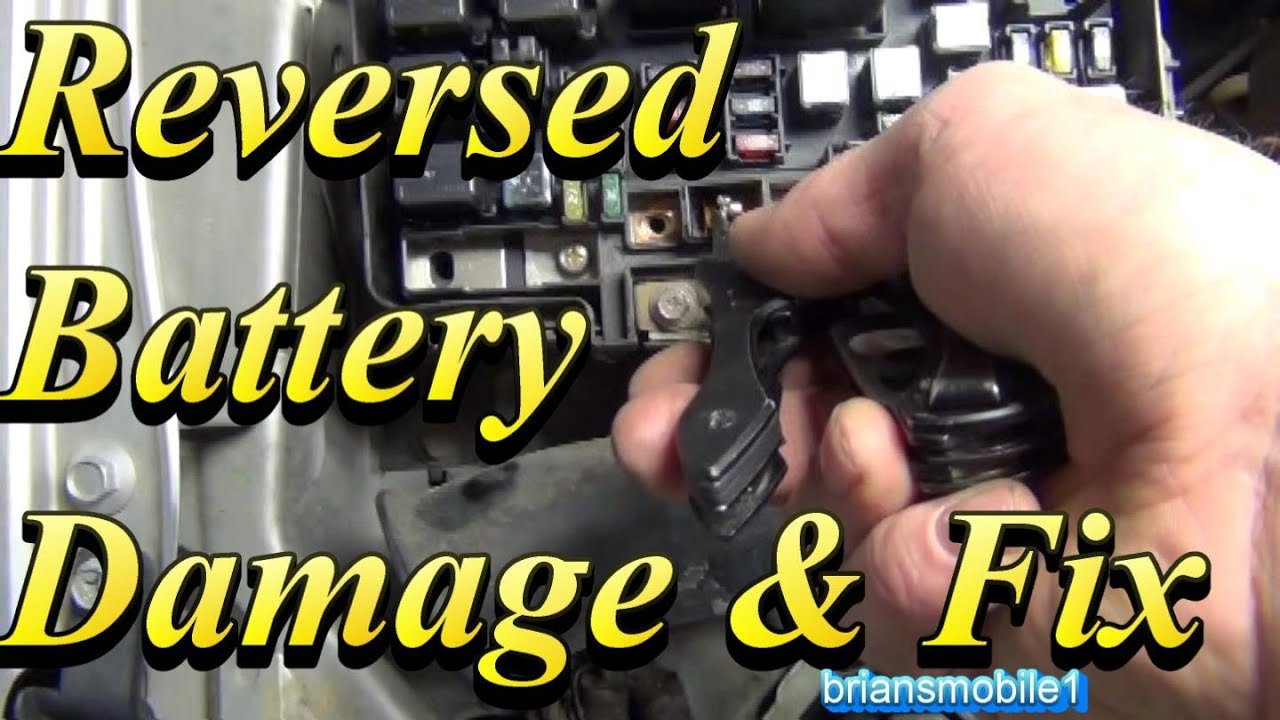
Start with the fuse box. A reversed battery connection can cause a surge that blows one or more fuses. Open the fuse box and inspect each fuse carefully. A blown fuse will have a broken wire inside or may appear discolored. Replacing the damaged fuses might solve your starting issue.
Inspect The Battery Terminals
Look at the battery terminals for any signs of damage or corrosion. Reverse polarity can cause these to wear out faster. Clean the terminals using a wire brush to ensure a good connection. Properly tightened, clean terminals are crucial for your car’s electrical health.
Examine The Alternator
Check if the alternator is functioning properly. A reversed connection can damage the alternator, affecting its ability to charge the battery. Listen for unusual noises or use a multimeter to test the alternator’s output. If it’s not working, it may need replacement.
Assess The Starter Motor
Evaluate the starter motor for any impact. A sudden jolt from a reversed battery can harm the starter. Listen for clicking or grinding noises when you try to start the car. If you hear them, the starter motor might need attention or replacement.
Examine The Car’s Wiring
Look over the wiring for any visible damage. Reversed polarity can melt insulation or cause short circuits. Carefully inspect the wires and connectors for any signs of burning or damage. Addressing these issues can prevent further electrical problems.
Consider Professional Help
If the car still doesn’t start after your checks, it may be time to consult a professional. A mechanic can provide a thorough diagnostic and repair any hidden issues. Sometimes, expert help is the quickest path to a solution.
When was the last time you inspected your car’s electrical system? Taking these steps can save you time and future headaches. Knowing what to check empowers you to handle issues confidently, even when things seem a bit upside down.

Credit: www.reddit.com
Repairing Or Replacing Damaged Components
Connecting a battery backwards can damage car components, causing starting issues. Identify and replace any damaged parts to restore functionality. Check the fuses and electrical systems for potential problems before proceeding with repairs.
Accidentally connecting a car battery backward can cause serious issues. The immediate effect is often a car that won’t start. This mistake can damage various electrical components. Fortunately, most of these issues can be fixed.
Read more: Hooked Battery Up Backwards Now Car Won’t Start: Fix Tips
Identifying Damaged Fuses
Start by checking the fuses. A backwards battery connection can blow several fuses. Locate the fuse box in your car. Use the manual to identify each fuse’s purpose. Replace any blown fuses with new ones of the same rating. This could resolve some electrical issues.
Inspecting The Alternator
Next, inspect the alternator. Connecting the battery incorrectly can damage it. Listen for strange noises from the alternator. Use a multimeter to check the voltage. If it’s not working, you may need a replacement.
Checking Relays And Wiring
Check all relays and wiring for damage. Reverse polarity can burn them out. Look for signs of melted wires or damaged relays. Replacing faulty ones can restore normal functionality.
Examining The Starter Motor
The starter motor might also be affected. A backwards connection can cause it to fail. Try starting the car while listening for clicking sounds. If it doesn’t engage, consider replacement.
Testing The Battery
Finally, test the battery itself. A reversed connection can discharge it. Use a multimeter to check the voltage levels. If the battery is dead, charging or replacing it is necessary.
“`
Preventing Future Battery Connection Errors
Connecting a battery in reverse can cause the car not to start. This error may damage electrical components, leading to costly repairs. Proper installation and double-checking connections help prevent future battery mishaps.
Preventing future battery connection errors is crucial to ensure your car starts smoothly and avoids costly damages. When you mistakenly connect your battery backwards, it can lead to a frustrating situation where your car won’t start, and you might even damage your car’s electrical system. Learning from such mistakes can save you time, money, and stress. Let’s delve into some practical tips to prevent this issue in the future.
Understand Battery Polarity
Knowing the positive and negative terminals of a battery is essential. The positive terminal usually has a “+” symbol and is often larger than the negative one, which is marked with a “-“. Always double-check these symbols before making any connections. It’s a simple step that can prevent serious mistakes.
Use Color-coded Cables
Invest in jumper cables that are color-coded. Red is typically for positive and black for negative. This visual cue can help ensure you’re connecting the right terminals. It’s surprising how much easier it is to avoid errors with a bit of color guidance.
Label The Battery Terminals
If you have difficulty distinguishing the terminals, consider labeling them. Use a permanent marker or stickers to mark the positive and negative sides clearly. This can act as a quick reference and prevent any confusion during future battery connections.
Refer To The Car Manual
Your car manual is an invaluable resource. It provides specific instructions on battery connections for your vehicle model. Keeping it handy can be a lifesaver, especially if you’re unsure about the correct connection.
Consult A Professional
If you’re uncertain or uncomfortable with connecting your car battery, don’t hesitate to consult a professional. A mechanic can ensure the job is done correctly and safely. Sometimes, it’s better to rely on expertise than risk an expensive mistake.
Develop A Routine Check
Establish a routine to check your battery connections periodically. This practice helps identify any loose or incorrect connections before they become a problem. Regular checks can also prolong the lifespan of your battery and keep your vehicle running smoothly.
Mistakes are part of learning, but they don’t have to be repeated. By adopting these straightforward strategies, you can safeguard your car and enjoy peace of mind. What steps will you take to prevent battery connection errors in the future?

Credit: www.reddit.com
Frequently Asked Questions
What Happens If You Hook The Car Battery Up Backwards?
Connecting a car battery backwards can damage electrical components. This mistake may cause sparks or short circuits. It can also blow fuses and potentially harm the alternator. Always ensure proper polarity when attaching battery cables to avoid costly repairs and ensure vehicle safety.
What Happens If You Hook Up A Battery Tender Backwards?
Hooking a battery tender backwards can cause sparks, damage the tender, or harm the battery. Reversing the connection may blow the fuse or trigger built-in safety features, preventing charge. Always ensure correct polarity to avoid issues and maintain safety.
What Happens If You Reverse Polarity On A Car Battery?
Reversing polarity on a car battery can damage electronic components and may cause sparks or battery failure. It risks short circuits and can blow fuses, leading to costly repairs. Always connect the positive to positive and negative to negative terminals to avoid these issues.
What Happens If You Connect Battery Cables In The Wrong Order?
Connecting battery cables in the wrong order can cause sparks or damage the car’s electrical system. This mistake may also lead to short circuits, potentially harming the battery or electronic components. Always connect the positive cable first, followed by the negative, to ensure safety and prevent issues.
What Happens If You Connect A Car Battery Backwards?
Connecting a battery backwards can damage electronics. It may blow fuses or melt wires. The car won’t start.
Read more: Volkswagen Key Won’t Turn in Ignition: Fix It Fast!
Conclusion
Hooked Battery Up Backwards Now Car Won’t Start. Reversing battery cables causes damage and stress. Always double-check connections before installation. Doing so avoids costly mistakes and repairs. If your car still won’t start, seek professional help. They can assess and fix the issue safely.
Remember, prevention is better than cure. Regular maintenance checks keep your vehicle running smoothly. Stay informed about your car’s needs and care. This knowledge ensures fewer problems on the road. Keep learning, stay safe, and enjoy your driving experience.
As Amazon Associate, we earn from qualifying purchases.