My Car Shuts off While Driving But Starts Back Up: Quick Fixes
If your car shuts off while driving but starts back up, it may be due to a faulty crankshaft position sensor, loose battery connection, bad ignition switch, or failing fuel pump. These issues can momentarily disrupt power or fuel delivery, causing the engine to stall and then restart.
Sound familiar? If your car shuts off while driving but starts back up, you’re not alone. This mysterious issue can be both frustrating and frightening, leaving you to wonder what’s going wrong under the hood. You’ve probably already thought about the potential dangers and inconveniences this problem poses.
But don’t worry, you’re in the right place. We’ll uncover the reasons behind your car’s unexpected behavior and, more importantly, what you can do to fix it. Whether you’re a seasoned driver or a car newbie, understanding this issue can save you time, money, and a lot of stress. So, let’s dive in and get your car running smoothly again.
My Car Shuts off While Driving But Starts Back Up
Common Causes
Experiencing your car shutting off while driving can be frustrating. Understanding the common causes helps in addressing the issue efficiently. Regular maintenance can prevent this problem. Below, we explore several common reasons your car might shut off unexpectedly.
Read more: Car Only Starts When Jumped But Battery is Good: Hidden Fixes
1. Faulty Fuel Pump
A failing fuel pump can disrupt fuel flow. This leads to engine stalls. Check your fuel pump regularly. Listen for unusual noises. Prompt replacement ensures smooth driving.
2. Electrical Issues
Loose or damaged wiring might cause your car to shut off. Inspect wires and connections. Battery terminals should be clean. Addressing electrical issues ensures stable engine performance.
3. Malfunctioning Sensors
Sensors monitor your car’s operations. Faulty sensors can send wrong signals. This might shut off the engine. Regular checks keep sensors functioning properly.
4. Ignition System Problems
Ignition system issues prevent the engine from staying active. Worn-out spark plugs or coils are common culprits. Regular inspection of these components is crucial.
5. Overheating
An overheating engine can shut off unexpectedly. Monitor coolant levels and radiator conditions. Ensure proper airflow to avoid overheating. Regular checks prevent engine damage.
- Faulty Sensors: A bad crankshaft or camshaft position sensor can cause intermittent engine shutdowns.
- Fuel Delivery Problems: A failing fuel pump or clogged fuel filter may momentarily stop fuel flow.
- Electrical Issues: Loose battery terminals or a faulty ignition switch can cut power unexpectedly.
Credit: www.reddit.com
Read more: Car Won’t Turn Over But Has Power: Troubleshooting Tips
Battery And Alternator Issues
Car shutting off while driving can point to battery or alternator issues. Power loss affects engine function, causing stalls. A quick restart might suggest temporary recovery but needs immediate attention.
When your car unexpectedly shuts off while driving but starts back up, it can be unnerving. One possible culprit is issues with the battery or alternator. These components are crucial for your vehicle’s electrical system, and any hiccup can lead to unexpected shutdowns. Understanding how they work and identifying potential problems can save you time and stress.
What Does The Battery Do?
Your car’s battery provides the necessary power to start the engine. It also supplies energy to all the electrical components when the engine isn’t running. If your battery is old or weak, it might not hold a charge effectively, leading to power loss.
Have you noticed dimming headlights or a slow start? These could be signs your battery is struggling.
Signs Of A Failing Alternator
The alternator charges the battery and powers the electrical systems while the engine runs. If it’s not functioning correctly, the battery might drain quickly. You might notice warning lights on your dashboard or hear unusual noises.
A failing alternator can cause the car to stall because the battery alone can’t handle the load. Have you checked if your battery light is flickering? It might be time to inspect the alternator.
Testing Your Battery And Alternator
Regularly testing your battery and alternator can prevent unexpected shutdowns. Use a multimeter to check the battery voltage. It should read around 12.6 volts when the engine is off and 13.7 to 14.7 volts when running.
If you’re not comfortable doing this yourself, many auto shops offer free testing. Keeping tabs on these components can provide peace of mind.
Maintenance Tips For Longevity
Simple maintenance can extend the life of your battery and alternator. Keep battery terminals clean and free of corrosion. Ensure that the alternator belt is tight and not worn out.
Invest in a quality battery charger to maintain optimal charge levels, especially if your car sits unused for long periods. What steps can you take today to ensure your car’s electrical system remains healthy?
When To Seek Professional Help
Sometimes, DIY solutions might not cut it. If your car continues to stall despite a healthy battery and alternator, it could be an underlying issue. Seeking help from a professional mechanic can save you from further headaches.
Have you considered the expertise a mechanic can bring? They can diagnose issues that aren’t immediately apparent, ensuring your car stays on the road.
Fuel System Problems
Experiencing your car shutting off while driving is frustrating. One major reason for this issue is fuel system problems. The fuel system ensures your car receives the right amount of fuel. If any part of this system fails, your car might stall. Understanding these issues can help you address the problem effectively.
Fuel Pump Issues
The fuel pump delivers fuel from the tank to the engine. If it fails, the engine starves for fuel. A failing pump might work sporadically, causing the car to stall. Listen for unusual noises from the fuel tank. A loud whining noise could indicate a failing pump.
Clogged Fuel Filter
The fuel filter removes dirt from the fuel before it reaches the engine. Over time, it can become clogged. A clogged filter restricts fuel flow. This can cause the engine to stall. Regular maintenance can prevent filter issues.
Fuel Injector Problems
Fuel injectors spray fuel into the engine. If they malfunction, the engine might not get enough fuel. This can lead to stalling. Dirty or clogged injectors are common problems. Using fuel injector cleaner might solve minor issues.
Contaminated Fuel
Contaminated fuel can disrupt the fuel system. Water in the fuel can cause stalling. It prevents the engine from running smoothly. Always fill up at reputable stations to avoid this issue.
Addressing these fuel system problems can improve your car’s reliability. Regular checks and maintenance are key to preventing breakdowns. Stay alert to any unusual signs from your vehicle.

Credit: wowowow.com
Ignition System Faults
Your car shutting off while driving can be scary. A common reason is ignition system faults. The ignition system starts the engine. It keeps the engine running smoothly. Issues here can cause the engine to stall. Understanding these faults can help fix the problem.
Common Ignition System Problems
Spark plugs are vital for engine ignition. Worn spark plugs can misfire. This may cause the engine to stop unexpectedly. Bad wiring can also affect ignition. Loose connections disrupt the electrical flow. This can lead to the engine shutting off.
Signs Of Ignition Trouble
Engine stalling is a key sign of ignition issues. Flickering dashboard lights may occur. Difficulty starting the car is another symptom. These signs indicate possible ignition faults. Early detection can prevent bigger problems.
Solutions For Ignition Faults
Regular maintenance helps prevent ignition faults. Check spark plugs periodically. Replace them if needed. Inspect wiring for any damage. Secure all connections. These steps ensure a reliable ignition system.
Seeking Professional Help
Sometimes, DIY fixes aren’t enough. Ignition system faults can be complex. A skilled mechanic can diagnose issues. They provide the right solutions. Professional help ensures safe and effective repairs.
Quick Fix Solutions
Facing a situation where your car shuts off while driving but starts back up can be frustrating. Quick fixes might include checking the fuel pump, spark plugs, or battery connections. These simple solutions can often resolve unexpected stalls and keep your car running smoothly.
When your car suddenly shuts off while driving but then starts back up, it can be both frustrating and worrying. Knowing how to handle this situation with quick fixes can save you time and stress. Let’s dive into some practical solutions that you can try right away. It’s not just about getting back on the road—it’s about ensuring your safety and peace of mind.
Check Your Fuel Level
Before diving into complex solutions, always check the basics. Is there enough fuel in the tank? Sometimes, the fuel gauge might not be accurate, leading you to think you have more gas than you actually do. This simple check can save you from unnecessary panic.
Inspect The Battery Connections
Loose battery connections can cut off power unexpectedly. Take a moment to pop the hood and look at the battery terminals. Are they secure and free from corrosion? A quick tighten with a wrench might just do the trick and prevent the car from stalling again.
Examine The Ignition Switch
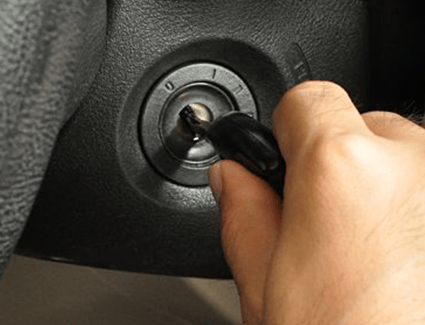
The ignition switch is a crucial component in your vehicle’s electrical system. If it’s faulty, your car might shut off while driving. Try wiggling the key slightly to see if it affects the engine’s performance. If this seems to be the issue, replacing the ignition switch could resolve the problem.
Look Into The Fuel Pump Relay
The fuel pump relay controls the power to the fuel pump. If it’s malfunctioning, it might intermittently cut off the fuel supply. Locate the relay in your car’s fuse box and swap it with a similar one to test if this resolves the issue. This small switch could restore your car’s reliability.
Test The Alternator
A failing alternator can lead to a drained battery, causing your car to stop unexpectedly. To check this, start the car and disconnect the negative battery terminal. If the car stalls, the alternator might be the culprit. Consider getting it tested at a nearby auto shop to confirm.
Clean The Mass Airflow Sensor
The mass airflow sensor measures the amount of air entering the engine. If it’s dirty, it might send incorrect readings, causing the engine to stall. A can of mass airflow sensor cleaner and a few minutes of your time can make a big difference in performance.
Remember, these solutions aren’t just about troubleshooting. They’re about empowering yourself with knowledge and taking control of your driving experience. Have you ever tried a quick fix that worked surprisingly well? Sharing these stories can help others facing similar issues.
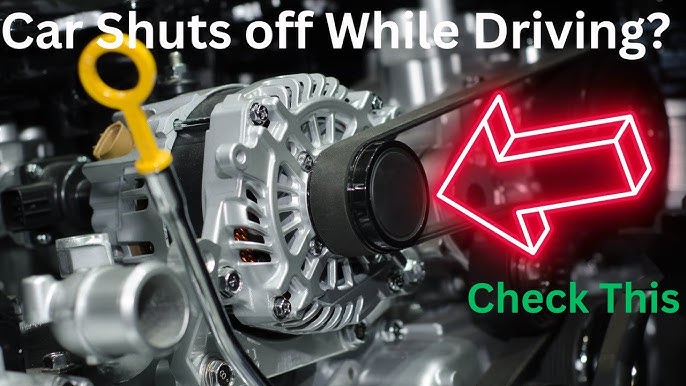
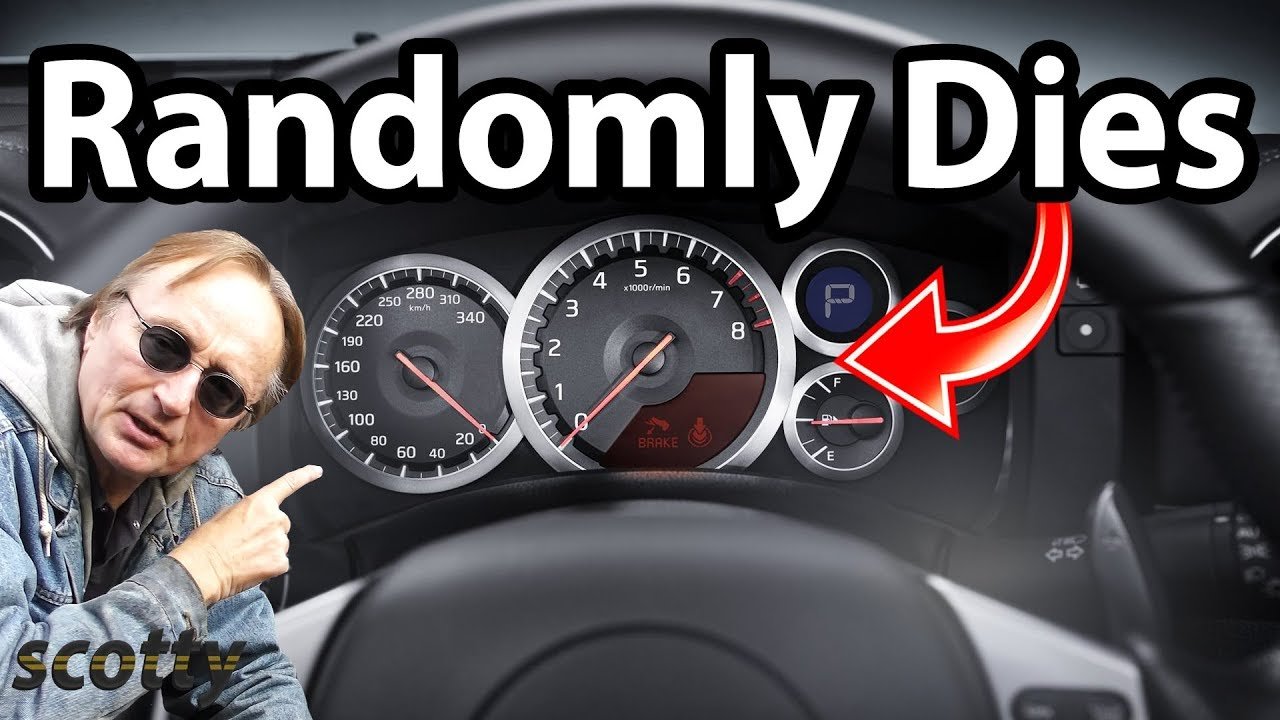
Credit: www.youtube.com
Frequently Asked Questions
Why Does My Car Shut Off While Driving?
Engine issues, fuel system problems, or electrical faults can cause your car to shut off suddenly.
Is It Safe To Drive If My Car Shuts Off?
No, it’s unsafe. Immediate inspection by a professional is necessary to prevent accidents and further damage.
What Should I Do If My Car Shuts Off While Driving?
Safely pull over, restart the engine, and seek professional help to diagnose the issue promptly.
Can A Bad Battery Cause My Car To Shut Off?
Yes, a failing battery can lead to power loss, causing the car to shut off unexpectedly while driving.
How Can I Prevent My Car From Shutting Off?
Regular maintenance, checking battery health, and ensuring a clean fuel system help prevent this issue.
Conclusion
Your car shutting off while driving is frustrating. It’s not just inconvenient. It can be dangerous too. Identifying the problem early is key. Check the battery and fuel system first. Ignition switch issues might also be the culprit. Consult a mechanic if problems persist.
Regular maintenance can prevent future troubles. Drive safely and stay alert. Your car should be reliable on the road. Address any issues promptly. Your safety matters most. Remember, a well-maintained car brings peace of mind. Keep it in top shape for smooth journeys ahead.
As Amazon Associate, we earn from qualifying purchases.