Car Loses Power Then Comes Back: Causes and Quick Fixes Explained
Have you ever been driving when suddenly your car loses power, leaving you worried and unsure of what’s happening? Then, just as quickly, the power comes back, and your car feels normal again.
This stop-and-go power issue can be confusing and even dangerous if you don’t know why it’s happening. You’ll discover the common reasons behind this problem and what you can do to fix it before it gets worse. Keep reading to take control of your car’s performance and stay safe on the road.
Credit: www.motorverso.com
car loses power then comes back
Common Reasons For Power Loss
Car power loss is a common issue that many drivers face. The engine may suddenly lose strength and then regain it after a short time. This problem can happen for several reasons. Understanding these causes helps find the right fix quickly. Below are common reasons why your car might lose power and then come back.
Fuel System Issues
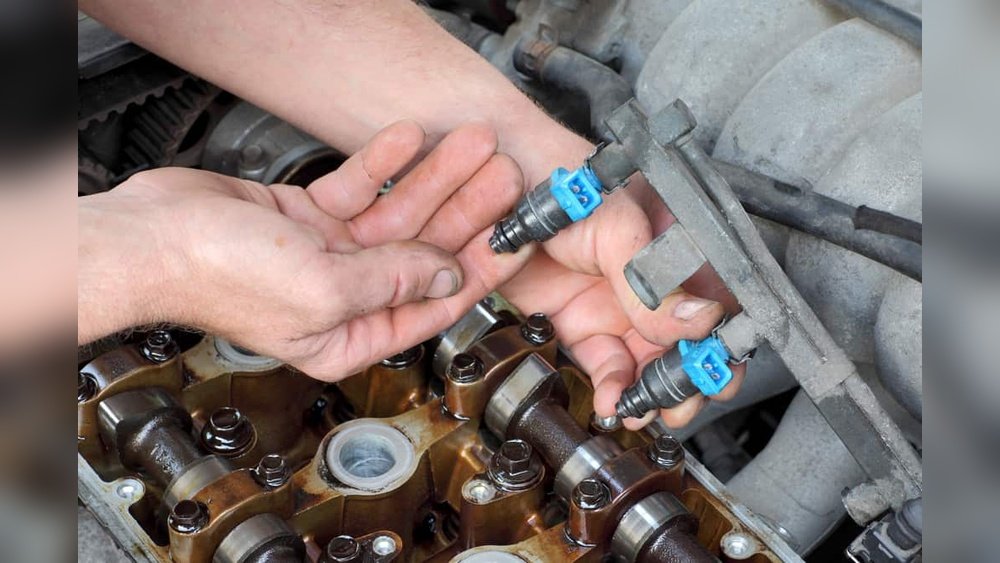
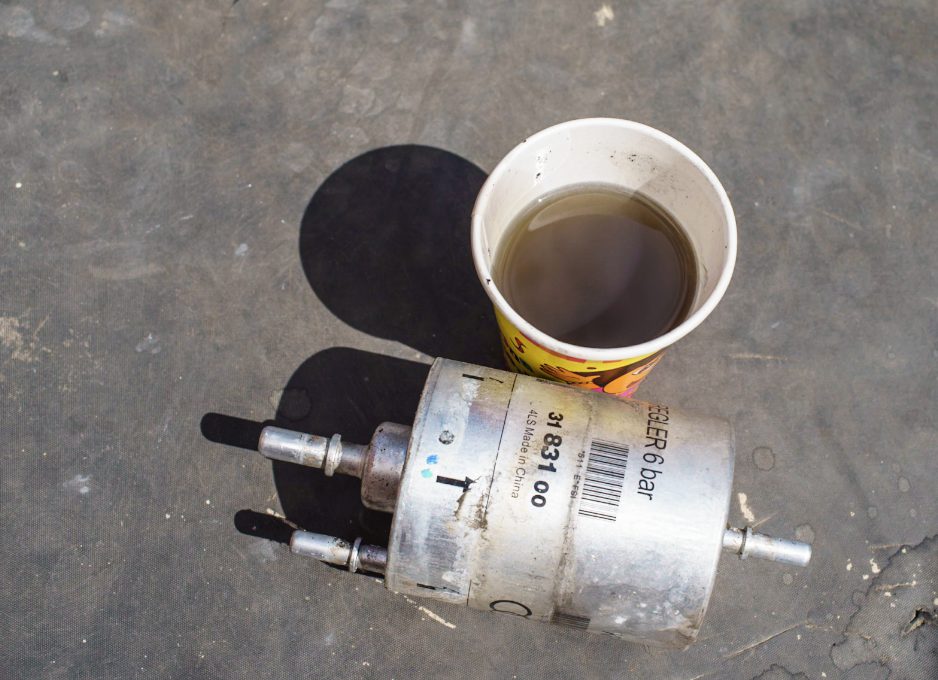
The fuel system delivers gasoline to the engine. Clogged fuel filters can block fuel flow. Dirty fuel injectors may spray uneven fuel amounts. A failing fuel pump can cause fuel pressure to drop. These issues reduce engine power and cause stalling.
Ignition System Problems
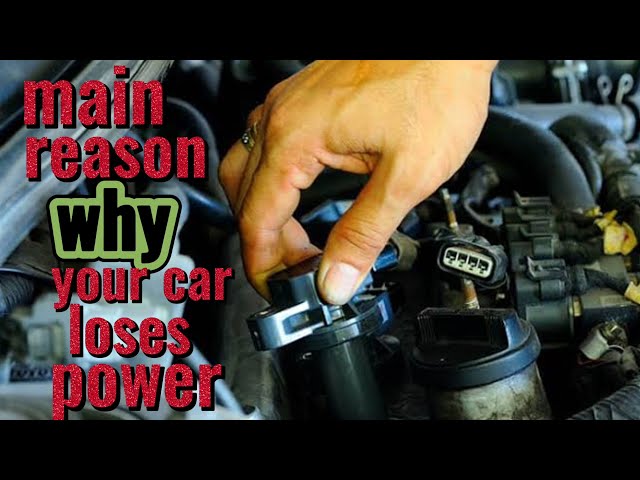
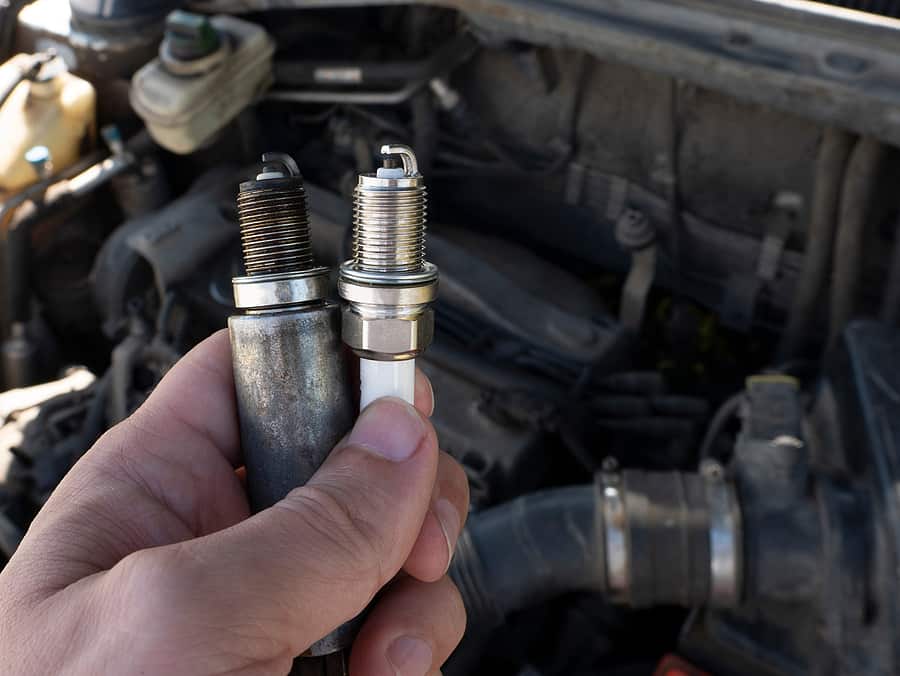
The ignition system creates sparks to ignite fuel. Faulty spark plugs cause weak or no sparks. Damaged ignition coils can stop spark production. Bad wiring or connectors also disrupt ignition signals. The engine may lose power or run roughly.
Air Intake Blockages
The engine needs clean air for combustion. A dirty air filter blocks airflow to the engine. Blocked air intake ducts reduce air supply. These blockages lower engine performance. The car may feel slow and lose power.
Read more: Ticking Noise in Engine: Uncover Hidden Causes Today
Electrical Faults
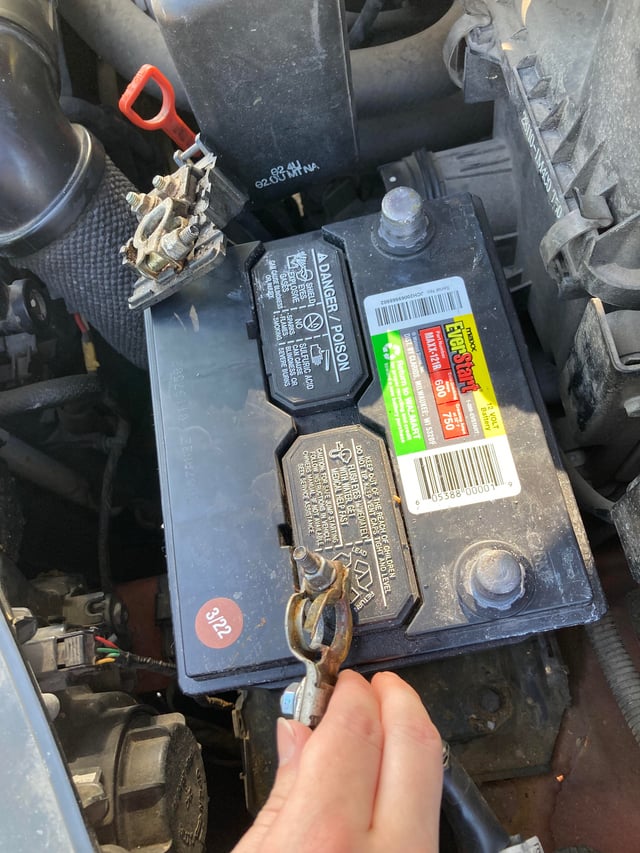
Modern cars rely on electrical systems. A weak battery can affect engine control. Loose or corroded connections disrupt power flow. Faulty sensors send wrong data to the engine. Electrical problems can cause sudden power loss.

Credit: www.mycar.com.au
Symptoms To Watch For
Noticing your car losing power and then gaining it back can be confusing. This issue may signal a problem that needs attention. Watch for clear signs to understand what is happening with your vehicle.
Engine Stalling
The engine may suddenly stop running without warning. This can happen while driving or when the car is idling. Stalling is a serious symptom and can indicate fuel or ignition problems.
Reduced Acceleration
Your car might feel slow or weak when you press the gas pedal. It may take longer to reach the desired speed. Reduced acceleration can mean the engine is not getting enough power.
Dashboard Warning Lights
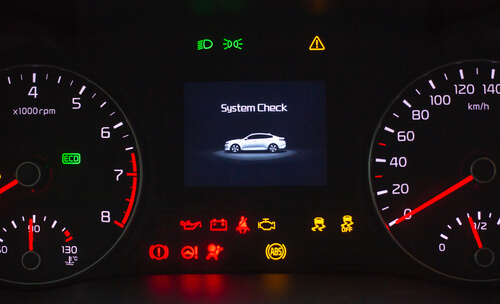
Warning lights on your dashboard often turn on during power loss. The check engine light is the most common signal. These lights alert you to possible engine or system troubles.
Read more: How Long Do Car Batteries Last: Essential Lifespan Insights
Simple Diy Fixes
Car losing power and then coming back is a common issue. Many causes are simple to fix at home. These DIY tips can save time and money. Basic checks often solve the problem quickly.
Checking Fuel Levels And Filters
Low fuel can cause power loss. Always check the fuel gauge first. Sometimes dirt clogs the fuel filter. A clogged filter stops fuel flow. Replace the fuel filter if dirty. This helps the engine run smoothly.
Inspecting Spark Plugs
Spark plugs ignite the fuel in the engine. Worn or dirty plugs cause weak sparks. This leads to power loss and rough running. Remove the plugs and check for damage. Clean or replace old spark plugs for better performance.
Cleaning Air Filters
Air filters keep dirt from entering the engine. A dirty filter blocks airflow and reduces power. Remove the air filter and inspect it. Wash or replace the filter if dirty. Clean air helps the engine breathe and run well.
When To See A Mechanic
Knowing when to see a mechanic is key if your car loses power and then comes back. Some signs show a minor problem. Others warn of serious issues. Acting fast can save you money and keep you safe.
Persistent Power Loss
Power loss that happens often needs a mechanic’s check. It may mean the engine or fuel system has a problem. Don’t wait until the car stops completely. Early repair can avoid bigger damage.
Unusual Noises Or Smells
Strange sounds or smells from your car are warning signs. Grinding, knocking, or hissing noises mean parts may be failing. Burning smells can show electrical or oil leaks. These need immediate attention from a professional.
Recurring Warning Lights
Dashboard lights that turn on again and again should not be ignored. The check engine light is the most common. It signals that the car’s computer found a fault. A mechanic can read the codes and find the problem fast.
Preventive Maintenance Tips
Preventive maintenance plays a key role in keeping your car running smoothly. It stops small problems from turning into big, costly repairs. Regular care helps maintain engine power and performance. Taking simple steps can avoid issues like losing power and then regaining it.
Regular Tune-ups
Schedule tune-ups at least once a year. Mechanics check spark plugs, air filters, and ignition systems. Clean or replace parts to keep the engine firing correctly. This prevents power loss caused by worn or dirty components. A well-tuned engine runs more efficiently and smoothly.
Timely Fluid Changes
Engine oil, coolant, and transmission fluid need regular changes. Old fluids can cause engine overheating or poor lubrication. This leads to power drops and engine damage. Follow the manufacturer’s guidelines on fluid change intervals. Fresh fluids protect engine parts and improve overall performance.
Monitoring Engine Performance
Pay attention to unusual sounds or changes in how the car drives. Use an OBD-II scanner to check for error codes. These codes reveal hidden problems early. Early detection allows quick fixes before the car loses power completely. Keep a log of symptoms and share them with your mechanic.
Credit: www.breakerlink.com
Frequently Asked Questions
Why Does My Car Lose Power Then Suddenly Come Back?
This happens due to fuel issues, dirty filters, or problems in the ignition system.
Can A Bad Fuel Pump Cause Power Loss In My Car?
Yes, a failing fuel pump can stop fuel flow, causing power loss and then recovery.
How Can I Prevent My Car From Losing Power Suddenly?
Regular maintenance, checking filters, and timely fixing ignition issues help prevent power loss.
Conclusion
A car losing power and then coming back can signal many issues. Check the fuel, spark plugs, and air filter first. Small problems often cause this trouble. Don’t ignore sudden power drops while driving. Regular maintenance helps keep your car running well.
Catching problems early saves money and stress. Pay attention to your car’s behavior every day. Staying aware keeps you safer on the road. Fix issues quickly to avoid bigger damage later. Keep your car healthy and enjoy smoother drives.
As Amazon Associate, we earn from qualifying purchases.