How to Jump Start a Car: Quick Tips for Instant Power Boost
Have you ever found yourself stuck with a car that just won’t start? It’s frustrating, especially when you’re in a hurry or far from help.
Knowing how to jump start a car can save you time, money, and stress. In this guide, you’ll learn simple, step-by-step instructions to get your engine running again quickly and safely. Keep reading, and you’ll feel confident handling this common problem whenever it happens to you.
Credit: www.reddit.com
how to jump start a car
Preparing For A Jump Start
Preparing for a jump start is important for a safe and quick process. It helps avoid damage to the cars and injury to people. Understanding what to do before starting saves time and stress.
Before starting, gather all needed tools and check safety rules. Clear the area around the cars. Make sure both cars are off and in park or neutral.
Safety Precautions
Wear gloves and eye protection to avoid sparks or acid splashes. Keep metal objects away from batteries. Never lean over the battery during the jump start. Check the batteries for cracks or leaks. Do not jump start a frozen or damaged battery. Keep children and pets away from the area. Make sure the cars do not touch each other.
Tools And Equipment Needed
Use quality jumper cables with thick insulation. Have a working vehicle with a fully charged battery. Carry gloves and safety glasses for protection. A flashlight helps in low light conditions. A battery cleaner or brush removes corrosion from terminals. Keep a manual or guide nearby for your car model.
Read more: How Long Does It Take for a Car Battery to Unfreeze? Quick Guide
Locating The Battery
Finding the car battery is the first step to jump start a car. Most batteries sit under the hood, near the front. Some cars hide the battery under the back seat or in the trunk. Knowing the battery’s exact spot saves time and effort. It also helps avoid mistakes during jump starting.
Identifying Terminals
The battery has two terminals: positive and negative. The positive terminal has a plus sign (+) and usually a red cover or cable. The negative terminal has a minus sign (−) and a black cover or cable. Correctly identifying these terminals is very important. Connecting jumper cables to the wrong terminal can cause sparks or damage.
Checking Battery Condition
Look at the battery for any damage or leaks. Cracks, swelling, or corrosion on terminals show the battery is weak or unsafe. Clean terminals improve the connection. Use a wire brush to remove dirt or corrosion. A healthy battery makes jump starting easier and safer.
Connecting The Jumper Cables
Connecting the jumper cables is a key step to jump start a car safely. It needs care and the right order. This ensures power flows correctly and avoids damage. Follow these simple steps to connect cables properly.
Correct Cable Order
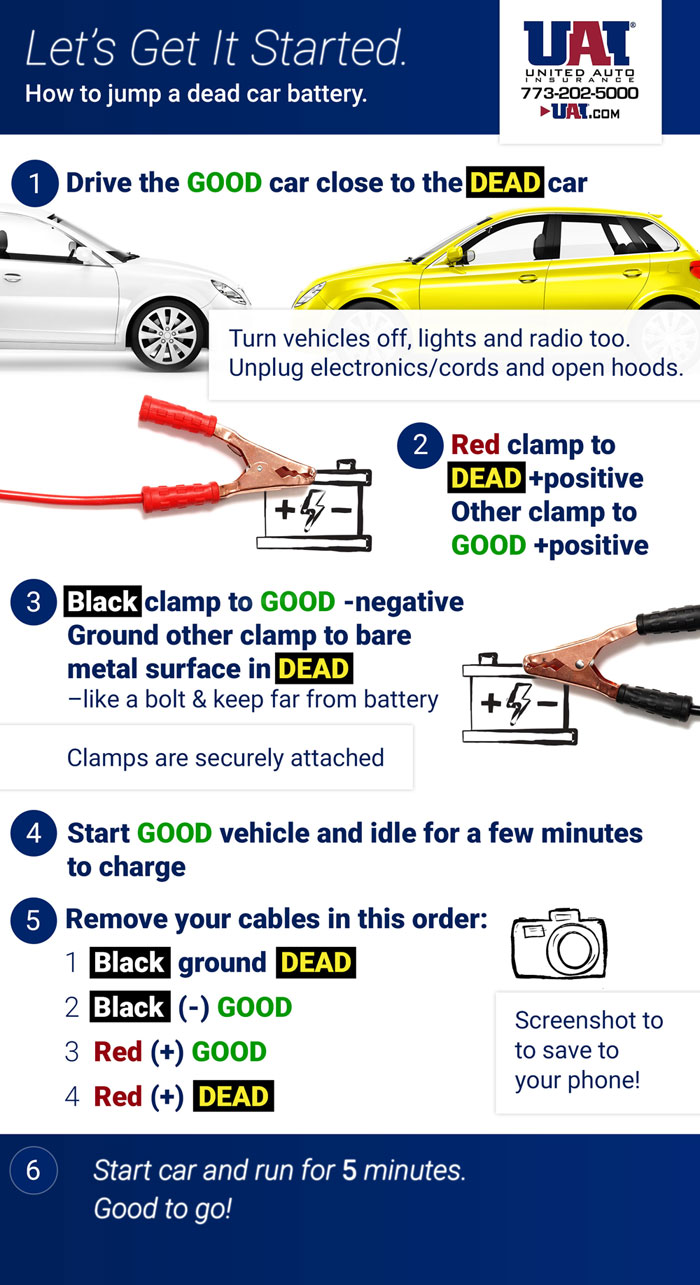
Start by attaching one red clamp to the positive (+) terminal of the dead battery. Next, connect the other red clamp to the positive (+) terminal of the good battery. Then, clip one black clamp to the negative (-) terminal of the good battery. Finally, attach the last black clamp to an unpainted metal surface on the dead car’s engine. This completes the circuit safely.
Common Mistakes To Avoid
Do not connect the black clamp to the dead battery’s negative terminal. This can cause sparks or damage. Avoid mixing red and black clamps on the wrong terminals. Do not let clamps touch each other. Keep cables clear of moving engine parts. Double-check connections before starting the engine.
Credit: www.unitedautoinsurance.com
Read more: Car Starts And Then Dies: Quick Fixes to Save Your Ride
Starting The Engine
Starting the engine after a jump start is a crucial step. It needs care and attention to avoid problems. Follow the right timing and procedure. This helps prevent damage to both cars and ensures success.
Timing And Procedure
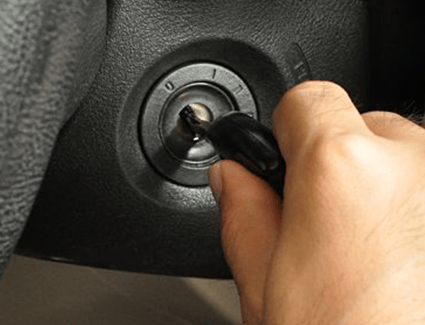
First, keep the dead car’s key in the off position. Connect the jumper cables properly. Start the engine of the working car. Let it run for a few minutes. This charges the dead battery slightly.
Next, try turning the key in the dead car. If it does not start immediately, wait a little longer. Avoid cranking the engine for more than 10 seconds at a time. Too much effort can damage the starter.
Once the dead car starts, keep both engines running. This helps stabilize the electrical system. After a few minutes, carefully remove the cables. Remove them in reverse order from how you connected them.
Signs Of A Successful Jump
The engine starts smoothly without delay. Lights and dashboard indicators work normally. The engine runs steadily without stalling. After removing the cables, the car continues running on its own power.
If the engine struggles or dies right away, the battery may need replacement. Strange noises or sparks during the process signal a problem. In such cases, seek professional help to avoid damage or injury.
After Jump Starting
After jump starting your car, some important steps follow. These help keep you safe and protect your vehicle’s battery. Handling the cables and caring for the battery ensures your car runs well.
Removing Cables Safely
First, turn off both cars. Remove the cables in reverse order. Start with the negative cable from the dead battery. Next, remove the negative cable from the good battery. Then, remove the positive cable from the good battery. Finally, remove the positive cable from the dead battery. Avoid letting the cable clamps touch each other. Keep cables clear of moving parts in the engine. This prevents sparks and damage.
Maintaining Battery Health
After jump starting, keep the engine running. Drive for at least 20 minutes to recharge the battery. Avoid short trips that don’t fully recharge the battery. Check battery terminals for corrosion and clean if needed. Consider testing the battery if it often loses charge. A well-maintained battery lasts longer and starts your car reliably.

Credit: www.reddit.com
Frequently Asked Questions
How Do I Safely Connect Jumper Cables To Jump Start A Car?
Connect the red cable to the dead battery’s positive terminal first. Then attach the other red clamp to the live battery’s positive terminal. Next, connect the black cable to the live battery’s negative terminal. Finally, attach the other black clamp to an unpainted metal surface on the dead car away from the battery.
How Long Should I Run The Working Car Before Starting The Dead Car?
Let the working car run for about 3 to 5 minutes. This allows the dead battery to gain enough charge to start the engine.
What Should I Avoid When Jump Starting A Car?
Avoid touching the cable clamps together. Don’t connect cables in the wrong order. Never jump start a frozen or damaged battery.
Conclusion
Jump starting a car can feel tricky but is quite simple. Always check the cables and battery before starting. Connect the jumper cables in the right order to stay safe. Keep calm and follow the steps carefully. With practice, you will gain confidence in no time.
Remember to drive the car for a while after starting. This helps recharge the battery properly. Knowing how to jump start a car can save you trouble. Stay prepared, stay safe, and keep your car running smoothly.
As Amazon Associate, we earn from qualifying purchases.