Loss of Power in Car While Driving: Causes, Fixes & Prevention Tips
Have you ever felt your car suddenly lose power while you’re driving? It’s a scary and frustrating experience that can catch you off guard, leaving you unsure of what to do next.
If your car starts to slow down or struggles to accelerate, it’s not just annoying—it’s a sign that something needs your attention right away. You’ll discover the common reasons behind loss of power in your car and how you can spot the warning signs before it becomes a bigger problem.
Keep reading to protect yourself, your vehicle, and your peace of mind on the road.
Loss of Power in Car While Driving
Common Causes Of Power Loss
Loss of power while driving can be scary and dangerous. It means your car does not move as fast or smoothly as it should. Many parts of your car can cause this problem. Knowing the common causes helps to find the problem quickly. This saves time and money on repairs. Here are the main reasons why cars lose power during driving.
Engine Issues
The engine is the heart of your car. Problems like worn spark plugs or dirty air filters reduce power. Low engine compression also lowers performance. Faulty sensors can send wrong signals to the engine. These issues stop the engine from running at full strength.
Fuel System Problems
The fuel system supplies gas to the engine. A clogged fuel filter or weak fuel pump cuts off fuel flow. Dirty fuel injectors spray fuel unevenly. Bad fuel lowers engine power too. Without enough clean fuel, your car struggles to accelerate.
Transmission Troubles
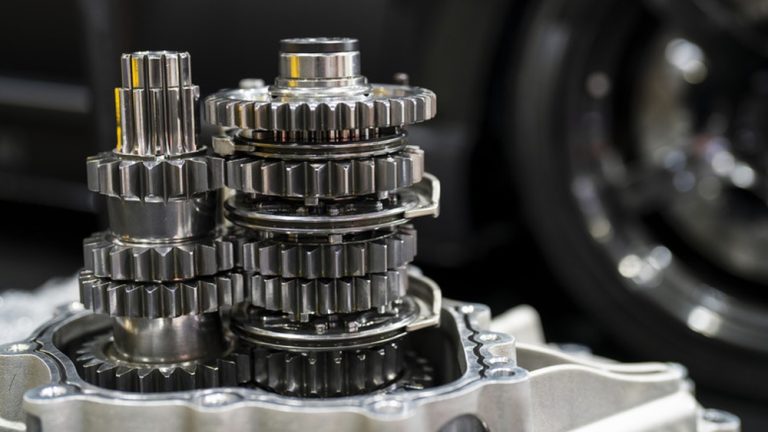
The transmission moves power from the engine to the wheels. Slipping gears or low transmission fluid cause power loss. If the transmission does not shift properly, the car slows down. Transmission problems can make your car feel weak or unresponsive.
Exhaust System Blockages
The exhaust system removes gases from the engine. A blocked catalytic converter or muffler causes back pressure. This back pressure reduces engine power. Your car will struggle to reach higher speeds or climb hills.
Read more: Truck Whining When Accelerating: Causes and Quick Fixes
Electrical System Failures
The electrical system controls many parts of your car. A weak battery or bad alternator affects engine performance. Faulty wiring or sensors cause misfires or stalling. Electrical failures can make the engine lose power suddenly.
Diagnosing Power Loss
Diagnosing power loss in a car requires careful observation and a few basic checks. Power loss can happen for many reasons. Knowing the signs helps find the problem faster. Using simple tools can reveal what is wrong. Sometimes, a mechanic’s help is needed to fix the issue safely and correctly.
Identifying Symptoms
Notice if the car slows down suddenly. The engine might feel weak or hesitate. You may hear unusual noises or smells. Check if the car struggles uphill or during acceleration. These signs point to power loss problems. Early detection can prevent bigger damage.
Using Diagnostic Tools
Use an OBD-II scanner to read error codes. These codes show specific engine issues. Check the fuel system and air filters for clogs. Look at spark plugs for wear or damage. Testing the battery and alternator helps too. These tools give clues about the cause.
When To Consult A Mechanic
Seek a mechanic if symptoms worsen or stay the same. Complex issues need expert diagnosis and repair. Mechanics have special tools and experience. They ensure the car is safe and runs well. Don’t delay professional help for serious power loss.
Read more: Ticking Noise in Engine When Starting Then Stops: Causes & Fixes
Quick Fixes For Power Loss
Power loss while driving can be scary and frustrating. Small problems often cause this issue. Some quick fixes can restore your car’s power. These fixes are easy and do not need special tools. Checking and fixing simple parts can help your car run smoothly again.
Cleaning Or Replacing Filters
Dirty air or fuel filters block airflow and fuel flow. This reduces engine power. Remove the filters and check for dirt or clogging. Clean reusable filters with water or air. Replace old or damaged filters with new ones. Clean filters help the engine breathe better and run stronger.
Checking Spark Plugs
Spark plugs create sparks to ignite fuel. Old or dirty plugs cause misfires and power loss. Remove spark plugs and look for wear or deposits. Clean them with a wire brush or replace if damaged. Proper spark plugs ensure smooth engine running and better power.
Fuel Additives And Treatments
Fuel additives clean the fuel system and improve combustion. Add these to your gas tank according to instructions. They remove deposits from injectors and valves. Treatments help restore lost power and improve fuel efficiency. Use quality additives for best results.
Long-term Repairs
Long-term repairs help fix serious car power loss issues. These repairs take time but improve your car’s performance. They stop the problem from coming back. Below are common long-term repair options for power loss.
Engine Tune-ups
Engine tune-ups clean and adjust key engine parts. This keeps the engine running smoothly and power steady. Mechanics check spark plugs, air filters, and fuel systems. A good tune-up can restore lost power and improve fuel use.
Transmission Overhaul
The transmission moves power from the engine to the wheels. A worn transmission causes slipping and power loss. An overhaul means fixing or replacing worn parts inside. This repair can bring back smooth shifting and strong power delivery.
Replacing Faulty Sensors
Sensors tell the car’s computer how to work. Faulty sensors send wrong signals, causing poor power and stalling. Replacing bad sensors helps the engine run right. Common sensors to replace include oxygen and mass air flow sensors.
Preventing Power Loss
Loss of power while driving is frustrating and can be dangerous. Preventing this problem starts with good care for your car. Small steps help keep your engine strong and your drive smooth.
Regular Maintenance Schedule
Follow your car’s maintenance plan closely. Change oil and filters on time. Check spark plugs and air filters regularly. Worn parts reduce engine power. A well-maintained engine runs better and lasts longer.
Quality Fuel And Oil
Use the right fuel grade for your vehicle. Cheap fuel can cause engine issues. Choose clean, high-quality oil for your car. Good oil protects engine parts and improves power. Avoid mixing oil brands or types.
Driving Habits To Protect Engine
Avoid sudden acceleration and heavy loads. Drive smoothly to reduce engine stress. Warm up your car before fast driving. Stop engine idling for long times. Careful driving helps keep engine power steady.
Frequently Asked Questions
Why Does My Car Lose Power While Driving?
A car can lose power due to fuel issues, clogged filters, or engine problems. Regular checks help.
Can A Dirty Air Filter Cause Loss Of Car Power?
Yes, a dirty air filter blocks airflow, making the engine weak and reducing power.
How To Fix Sudden Loss Of Power In A Car?
Check fuel level, air filter, and spark plugs. Visit a mechanic if problems persist.
Conclusion
Experiencing loss of power while driving can feel scary. It often signals a problem with the car’s engine or fuel system. Regular check-ups help catch issues early. Don’t ignore warning signs like slow acceleration or strange noises. Quick action can prevent bigger repairs and keep you safe.
Stay calm, and have your car checked by a trusted mechanic soon. Driving smoothly depends on a well-maintained vehicle. Keep your car healthy, and enjoy safer journeys ahead.
As Amazon Associate, we earn from qualifying purchases.