Slow Clicking When Trying to Start Car: Causes & Quick Fixes
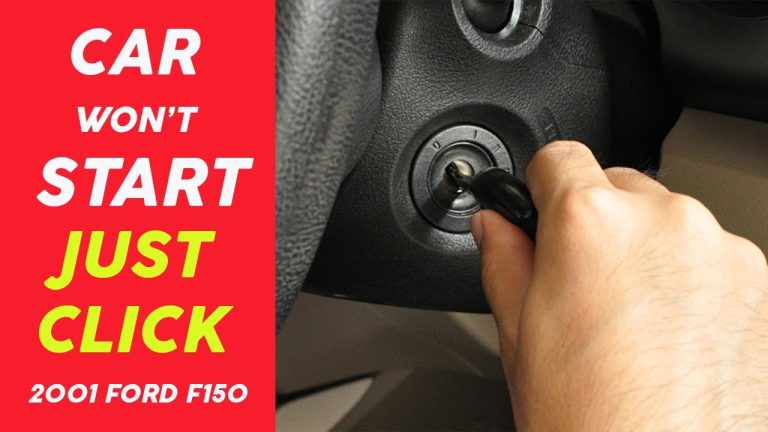
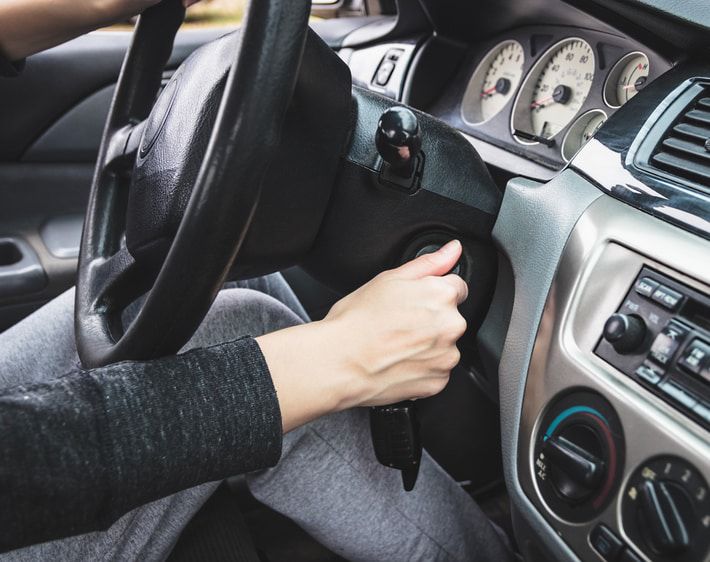
Have you ever turned your key, only to hear a slow clicking sound instead of the engine roaring to life? That frustrating noise can leave you stranded and wondering what went wrong.
If your car is slow clicking when you try to start it, you’re not alone—and there’s a good chance you can fix it. Keep reading to discover the common reasons behind this problem and simple steps you can take to get your car running smoothly again.
Don’t let slow clicking keep you stuck—understanding what’s happening under the hood is the first step to getting back on the road.

Credit: www.youtube.com
slow clicking when trying to start car
Common Causes Of Slow Clicking
Slow clicking sounds when you try to start your car can be frustrating and confusing. Understanding the common causes can help you fix the problem quickly and avoid being stranded. Let’s look at what might be behind that slow click and how you can spot the issue.
Weak Or Dead Battery
A weak or dead battery is the most frequent cause of slow clicking. If your battery doesn’t have enough power, the starter won’t get the energy it needs to turn the engine over.
Think about a time when your car sat unused in cold weather. The battery might lose charge and cause slow clicking. Have you checked your battery’s voltage recently? A simple test can save you a lot of hassle.
Faulty Starter Motor
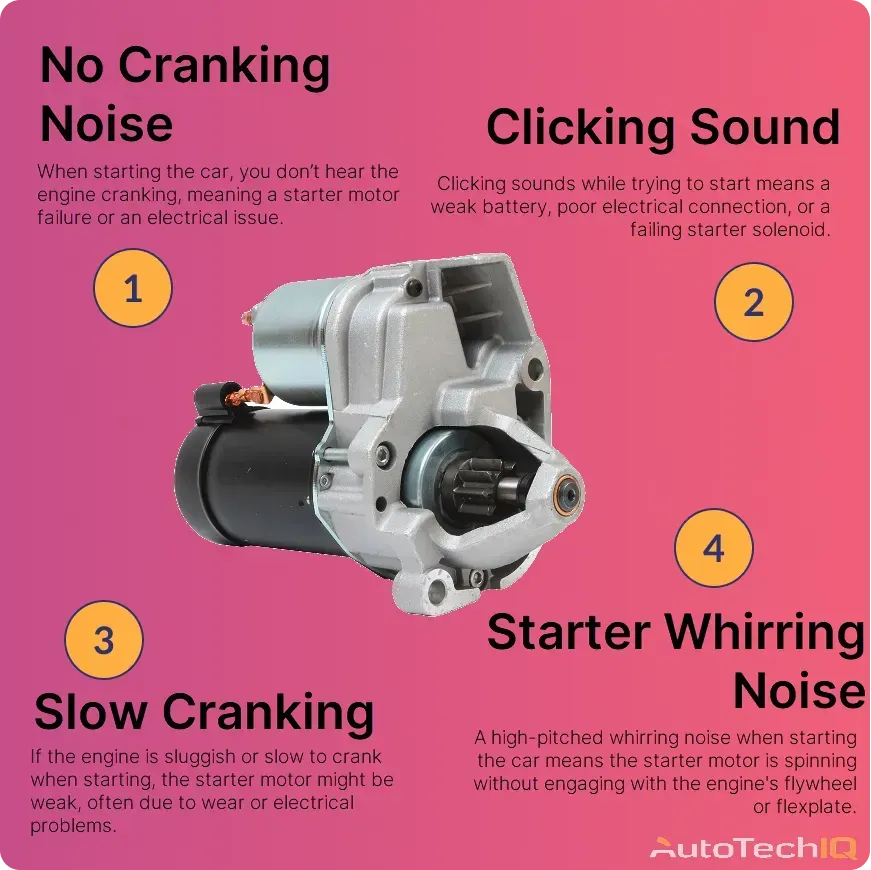
The starter motor is responsible for cranking the engine. If it’s worn out or damaged, it might produce that slow clicking noise instead of starting the engine.
You might notice the clicking sound gets louder or more frequent over time. Have you ever had a starter motor replaced? Catching this early can prevent a complete breakdown.
Corroded Battery Terminals
Corrosion on battery terminals can block the flow of electricity, causing slow clicking. Even if the battery is good, poor contact prevents enough power from reaching the starter.
Look for white or greenish buildup around the terminals. Cleaning them with a simple mix of baking soda and water often restores proper contact. When was the last time you cleaned your battery terminals?
Issues With The Alternator
The alternator charges the battery while the engine runs. If it’s failing, your battery won’t get recharged properly, leading to slow clicking over time.
You may notice dimming headlights or electrical glitches before the clicking starts. Could your alternator be the silent culprit draining your battery?
Poor Electrical Connections
Loose or damaged wiring can cause weak electrical flow, resulting in slow clicking. Connections between the battery, starter, and ground need to be secure.
Sometimes, a quick check of cables and connectors can reveal loose clamps or broken wires. Have you inspected your car’s electrical connections lately? Tightening them might solve the problem immediately.
Credit: www.firestonecompleteautocare.com
Signs Of Battery Problems
Slow clicking when starting a car often points to battery issues. The battery may not have enough power to start the engine. Watch out for clear signs that show battery problems early. These signs help avoid getting stranded.
Pay attention to your car’s electrical system. Small problems can mean big battery trouble ahead.
Dim Headlights
Dim headlights often signal a weak battery. When you turn on the lights, they should be bright. If the lights look dull or flicker, the battery might be losing charge. This happens because the battery cannot provide steady power.
Electrical Accessories Malfunction
Electrical parts like the radio, power windows, or dashboard lights may act up. These accessories need steady power to work well. If they work slowly or stop working, the battery could be the cause. Pay attention to unusual behavior in your car’s electronics.
Battery Age And Condition
Car batteries usually last 3 to 5 years. Older batteries lose their ability to hold a charge. Check the battery’s age and look for corrosion or leaks. Poor battery condition often leads to slow clicking sounds when starting the car.
Quick Fixes To Try
Slow clicking sounds when starting your car often point to simple issues. Many problems come from the battery or electrical connections. Trying quick fixes may save time and money. These easy steps can help get your car running again without professional help.
Jump-starting The Car
Jump-starting can bring life back to a weak battery. Use jumper cables and a second vehicle with a good battery. Connect the cables correctly: positive to positive, negative to negative. Let the car run for a few minutes after starting. This can recharge the battery enough to start the engine.
Cleaning Battery Terminals
Dirty or corroded battery terminals block electrical flow. Remove the battery cables carefully. Use a wire brush or baking soda solution to clean the terminals. Dry them well before reconnecting. Clean terminals improve the battery’s connection and power delivery.
Tightening Electrical Connections
Loose connections cause poor electrical contact. Check the battery cable clamps and starter connections. Tighten any loose nuts or bolts with a wrench. Secure connections help the electrical current flow better. This can stop slow clicking noises and help the car start smoothly.
When To Replace Components
Slow clicking when starting your car can mean several parts need attention. Knowing when to replace these parts helps avoid bigger problems. This section explains the signs that show it is time to change the battery, starter motor, or alternator.
Read more: Jeep Wrangler Won’t Start But Has Power: Troubleshoot Now
Battery Replacement Indicators
The battery often causes slow clicking sounds during start attempts. If the engine struggles to turn over, the battery might be weak. Check for dim headlights or electrical parts that don’t work well. A battery older than three to five years may need replacement. Swollen or leaking battery cases are clear signs to replace it fast.
Starter Motor Replacement Signs
A faulty starter motor can cause slow clicking noises. When you turn the key, the engine may not crank at all. Listen for repeated clicking sounds without engine movement. Sometimes the car starts after several tries. This means the starter motor may be failing. Grinding noises when starting also suggest the starter gear is worn out.
Alternator Replacement Clues
The alternator charges the battery while the engine runs. If it fails, the battery drains quickly and causes slow clicks. Warning lights on the dashboard can signal alternator issues. Flickering lights or electrical problems during driving are red flags. Strange noises from under the hood may also indicate alternator trouble.
Read more: Car Cranks But Does Not Start: Troubleshooting Guide
Preventive Maintenance Tips
Slow clicking when starting your car often signals battery or electrical issues. Preventive maintenance helps avoid these problems. Regular checks keep your vehicle reliable and save money on repairs. Simple steps prevent frustrating start delays and extend your car’s life.
Regular Battery Checks
Test your battery voltage every few months. A healthy battery should read around 12.6 volts. Replace weak batteries before they fail. Check the battery age; most last three to five years. Early replacement prevents unexpected starting issues.
Keeping Terminals Clean
Dirty battery terminals cause poor electrical contact. Clean terminals with a mixture of baking soda and water. Use a brush to remove corrosion gently. Dry and tighten the terminals firmly. Clean connections ensure smooth power flow to the starter.
Routine Electrical System Inspections
Inspect wiring and fuses regularly for damage or wear. Look for loose or frayed wires near the battery and starter. Replace damaged parts immediately to avoid electrical shorts. A healthy electrical system supports quick and easy starts every time.
Credit: www.autotechiq.com
Frequently Asked Questions
Why Does My Car Make A Slow Clicking Sound When Starting?
A slow clicking sound often means the battery is weak or dead. It may need charging or replacing.
Can A Bad Starter Cause Slow Clicking Noise?
Yes, a failing starter can cause slow clicks. It may not engage the engine properly.
How Can I Fix Slow Clicking When Starting My Car?
Check the battery first. Clean connections or jump-start the car. If problem persists, see a mechanic.
Conclusion
Slow clicking sounds can mean your car has a starting problem. It often points to battery or connection issues. Checking the battery and cables helps find the cause. Fixing these can save you time and money. Don’t ignore slow clicks; they warn of bigger problems.
Regular car care keeps your vehicle running smooth. Stay alert to sounds your car makes. Early action keeps you safe and on the road. Simple checks can prevent costly repairs later. Keep your car ready to start every time.
As Amazon Associate, we earn from qualifying purchases.