What Does a Bad Wheel Bearing Sound Like: Warning Noises Explained
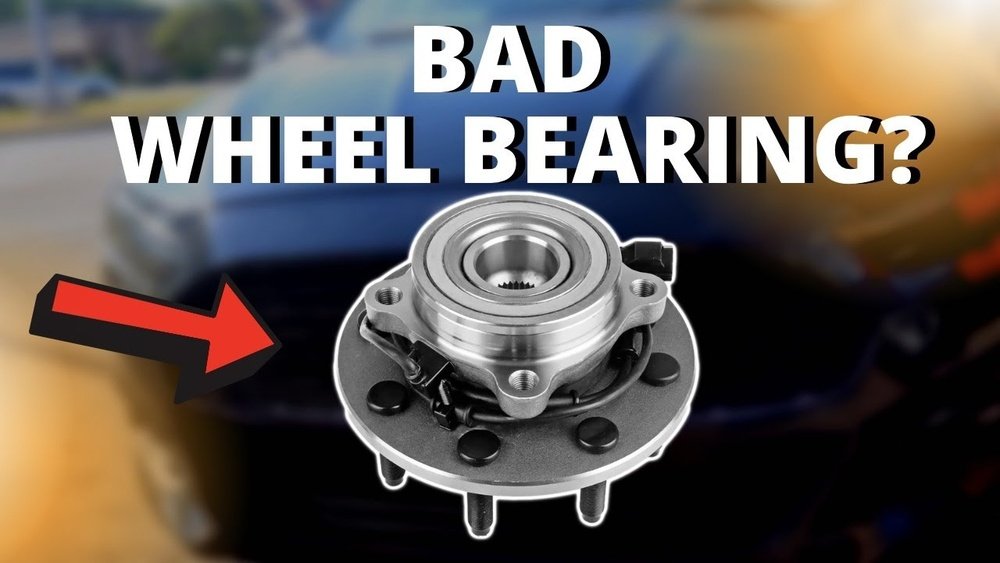
A bad wheel bearing often makes a humming, grinding, or growling noise that increases with speed. The sound may change when turning the steering wheel. You might also feel vibration or roughness through the steering or floor. Ignoring it can lead to serious damage and unsafe driving conditions.
Knowing exactly what a bad wheel bearing sounds like can save you from costly repairs and keep you safe on the road. You’ll learn how to recognize those warning noises early, so you can take action before a small problem turns into a big one.
Keep reading to protect your car—and your peace of mind.
What Does a Bad Wheel Bearing Sound Like
Common Sounds Of Bad Wheel Bearings
Bad wheel bearings create distinct sounds that signal trouble. Recognizing these sounds early can prevent bigger car problems. Each noise type points to specific issues with the wheel bearing. Understanding these sounds helps in quick diagnosis and repair.
Grinding Noise
A grinding noise means the bearing is worn out. It sounds rough and metal-on-metal. This noise grows louder with speed. It usually comes from one side of the car. The sound feels constant, not just a quick noise.
Humming Or Growling
A humming or growling sound shows the bearing is stressed. It changes with car speed. It can sound like a low roar or deep hum. The noise may fade when turning sharply. This sound signals early bearing damage.
Clicking Or Popping
Clicking or popping noises often mean the bearing is loose. They happen during turns or bumps. The noise can be sharp and quick. This sound warns about possible wheel play. It needs immediate attention to avoid accidents.
Read more: Why Does My Car Make Loud Humming Noise At Highway Speeds: Causes & Fixes
Rumbling Noise
A rumbling noise comes from heavy bearing damage. It sounds like a heavy vibration or shaking. The sound increases as the car moves faster. It may feel through the steering wheel. This noise means the bearing may fail soon.
Credit: repairpal.com
How Wheel Bearing Noise Changes With Speed
Bad wheel bearing noise usually grows louder as your speed increases. The sound often changes from a faint hum to a loud grinding or growling. This noise shifts with speed, making it easier to spot while driving.
Wheel bearing noise often varies as vehicle speed changes. At low speeds, the sound may be faint or hard to detect. It might sound like a slight hum or a soft grinding. As speed increases, the noise usually becomes louder and more noticeable.
The noise often grows into a rhythmic rumbling or humming that matches the wheel rotation. This change happens because the bearing parts move faster and cause more friction. Drivers may feel the noise inside the cabin or near the wheels.
Noise At Low Speeds
At low speeds, the noise is often subtle. You may hear a soft humming or clicking sound. Sometimes, it comes and goes as the wheel turns. This stage is easy to miss but indicates early bearing wear.
Noise At Medium Speeds
At medium speeds, the noise becomes clearer. The hum may turn into a steady rumble or grow louder. You might hear a grinding or growling sound. This change shows the bearing damage is worsening.
Noise At High Speeds
At high speeds, the noise is loud and constant. It often sounds like a loud roar or grinding noise. The vibration may increase and affect vehicle handling. This stage means the bearing needs urgent repair.
Identifying Location Of The Noise
Identifying the location of a bad wheel bearing noise helps fix the problem faster. The sound usually comes from a specific part of your car. Finding where the noise is loudest gives clues about which wheel bearing is failing.
Noise from a wheel bearing often changes with speed and direction. Listening carefully while driving helps pinpoint the source. Different wheels make different noise patterns.
Noise From The Front Wheels
When the front wheel bearing is bad, you hear a humming or grinding sound. It grows louder as you speed up. Turning the steering wheel may change the noise. The sound often comes from the front corners of the car.
Noise From The Rear Wheels
A bad rear wheel bearing makes a similar humming noise. It comes from the back of the car. The sound may increase during turns or when the load shifts. Rear wheel noise stays mostly steady when driving straight.
Noise Changes When Turning
Turning the car can help find the bad bearing. If the noise gets louder when turning left, the right wheel bearing may be bad. If it gets louder when turning right, check the left wheel bearing. This happens because weight shifts to the opposite side.

Credit: www.youtube.com
Read more: Car Makes Whirring Noise But Won’t Start: Quick Fix Tips
Other Causes Of Similar Noises
Strange noises from your car wheels do not always mean a bad wheel bearing. Several other parts can create similar sounds. Identifying the exact cause can save money and prevent damage. Here are some common issues that may mimic the noise of a failing wheel bearing.
Worn Brake Pads
Worn brake pads often produce a squealing or grinding noise. The sound can change with speed or braking force. It usually happens when the pads are thin and need replacement. This noise can easily be confused with a bad wheel bearing sound.
Loose Or Damaged Cv Joints
CV joints help transfer power to the wheels. When damaged, they create clicking or clunking noises during turns. This noise can appear similar to wheel bearing problems but usually occurs only when turning.
Tire Issues
Uneven tire wear or damaged tires cause humming or rumbling sounds. Tire noise varies with road speed and surface. Checking tires for wear or damage can rule out this common cause.
Loose Wheel Lug Nuts
Loose lug nuts can make a knocking or rattling noise. This sound often grows louder with speed. It is dangerous and should be fixed immediately to avoid wheel detachment.
Suspension Problems
Worn suspension parts like ball joints or struts cause clunking noises. These sounds may increase on bumps or turns. Suspension noise can be mistaken for wheel bearing noise but feels different when driving.
When To Replace A Wheel Bearing
Knowing the right time to replace a wheel bearing is important. A bad wheel bearing can cause noise and affect driving safety. Catching the signs early can save costly repairs and keep your vehicle running smoothly.
Wheel bearings wear out over time. Driving conditions, mileage, and road quality affect their life. Replacing a worn bearing prevents damage to other parts.
Signs Of A Failing Wheel Bearing
Listen for humming, growling, or grinding noises from the wheels. These sounds often get louder with speed. You might hear a rhythmic noise that changes when turning.
Changes In Vehicle Handling
Your car may feel loose or unstable on the road. Steering can become less precise. The vehicle might pull to one side during driving.
Vibration Or Wheel Play
Feel for vibration in the steering wheel or floor. Check for extra movement in the wheel when lifted. Excessive play means the bearing is worn out.
When To Visit A Mechanic
Visit a mechanic if noise or handling issues appear. Early inspection prevents further damage. A professional can confirm if the wheel bearing needs replacement.

Credit: bywbbearing.com
Frequently Asked Questions
What Noise Does A Bad Wheel Bearing Make?
A bad wheel bearing often makes a grinding or humming noise. It may get louder with speed.
How Can I Tell If My Wheel Bearing Is Failing?
Listen for unusual sounds when turning. Feel for wheel wobble or vibration while driving.
Can A Bad Wheel Bearing Cause Car Vibrations?
Yes, a worn wheel bearing can cause vibrations and shaking in the steering wheel or car body.
- Produces humming, grinding, or rumbling noises that grow louder with speed.
- Noise may change or fade when turning or steering the vehicle.
- Can cause vibration or roughness in the steering wheel or car body.
Conclusion
A bad wheel bearing often makes a loud humming or grinding noise. This sound usually grows louder when you turn or drive faster. Ignoring these noises can cause bigger car problems. Pay attention to unusual sounds while driving. Early checks can save money and keep you safe.
Don’t wait until the noise becomes worse. Regular car maintenance helps spot wheel bearing issues early. Trust your ears—they can warn you before damage happens.
As Amazon Associate, we earn from qualifying purchases.