
What Temperature Kills a Car Battery: Shocking Truth Revealed
Have you ever wondered why your car battery suddenly dies on a cold morning or refuses to start after a heatwave? The truth is, extreme temperatures can silently damage your battery and leave you stranded when you least expect it.
Understanding what temperature kills a car battery is key to protecting your vehicle and avoiding costly repairs. You’ll discover exactly how heat and cold affect your battery’s life and what you can do to keep it running strong all year round.
Keep reading to learn the temperature limits that threaten your battery and simple tips to extend its lifespan.
Credit: accomplishedauto.com
what temperature kills a car battery
How Temperature Affects Battery Life
Extreme cold, below 0°F (-18°C), can drain a car battery quickly. High heat, above 120°F (49°C), also damages battery life. Both temperatures reduce battery power and shorten its lifespan.
Car batteries are sensitive to temperature changes. Both hot and cold weather can damage them. Extreme temperatures reduce battery efficiency and shorten its lifespan.
Heat speeds up chemical reactions inside the battery. This can cause the battery to lose water and dry out faster. High temperatures also increase the risk of internal corrosion.
Cold weather slows the battery’s chemical reactions. This reduces its ability to produce enough power. The battery may struggle to start the car on cold mornings.
Impact Of High Temperatures On Batteries
Heat causes battery fluid to evaporate quickly. This leads to damage of internal parts. The battery’s overall capacity drops faster in hot conditions. Over time, this heat can cause permanent damage.
High temperatures also increase the chance of battery failure. The risk of overheating and swelling grows. This makes the battery unsafe and unreliable.
Effect Of Low Temperatures On Batteries
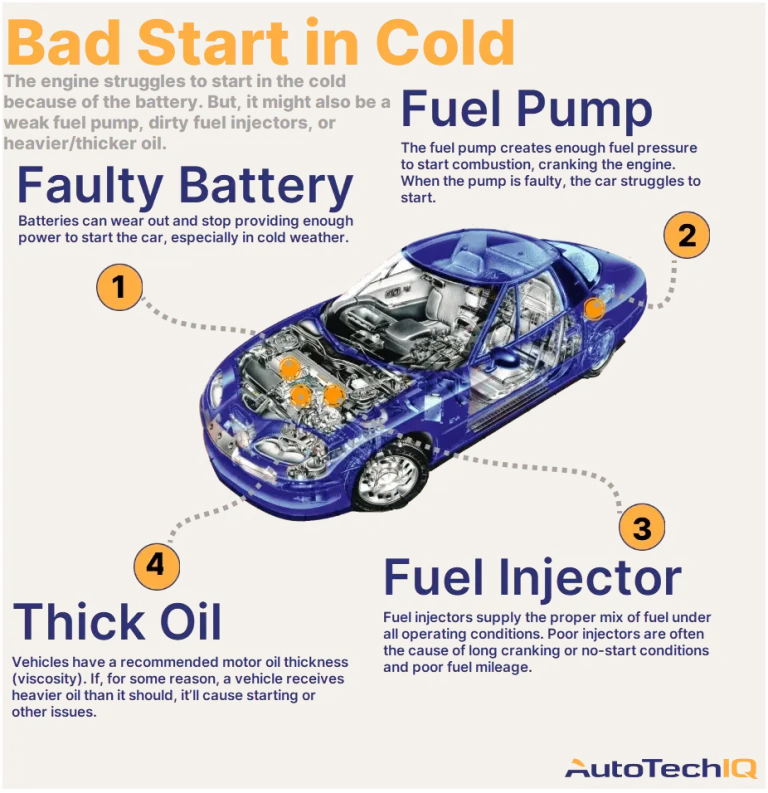
Cold temperatures slow down the battery’s chemical process. The battery produces less current and voltage. Starting a car engine becomes harder in winter.
Freezing cold can cause the battery fluid to freeze. Frozen fluid expands and can crack the battery case. This leads to battery leaks and complete failure.
Best Temperature Range For Battery Life
Car batteries perform best between 60°F and 80°F (15°C to 27°C). Within this range, chemical reactions work efficiently. Battery lifespan and performance stay optimal.
Keeping the battery near this temperature protects it from damage. Parking in shade or insulated garages helps maintain this range.

Credit: www.amazon.com
Critical Temperatures That Damage Batteries
Car batteries are sensitive to extreme temperatures. Both very cold and very hot weather can harm battery life. Knowing the critical temperatures that damage batteries helps protect your car. This section explains which temperatures cause battery problems.
Understanding these temperatures helps you take action to keep your battery healthy. It can save you from unexpected car troubles and costly repairs.
Low Temperatures And Battery Damage
Batteries struggle to work below 32°F (0°C). At 0°F (-18°C), battery power drops by about 50%. The cold thickens the battery’s electrolyte, slowing chemical reactions. This makes it hard for the battery to start the car. Prolonged exposure to freezing temperatures can cause permanent damage.
High Temperatures And Battery Damage
Heat above 95°F (35°C) speeds up battery fluid evaporation. This loss reduces battery capacity and shortens its life. High temperatures also increase corrosion inside the battery. Extreme heat can cause the battery to swell or leak acid. Both conditions lead to battery failure.
Optimal Temperature Range For Batteries
The best battery performance happens between 60°F and 80°F (15°C to 27°C). In this range, the battery maintains its charge and power. Avoid leaving your car in very hot or cold places for long. Keeping the battery near this range extends its life and reliability.
Signs Of Temperature-related Battery Failure
Car batteries do not like extreme temperatures. Both hot and cold weather can cause problems. These problems stop the battery from working well. It is important to know the signs. These signs tell you if the battery is failing because of temperature.
Noticing these signs early can save time and money. It helps avoid getting stuck with a dead battery. Watch for changes in how the car starts and runs.
Slow Engine Crank
The engine takes longer to start in cold weather. The battery power drops when it is cold. This makes the engine crank slowly. It is a clear sign the battery is weak from temperature.
Dim Lights
Lights on the dashboard or headlights become dim. This happens because the battery cannot give enough power. Hot weather can cause this by damaging the battery cells.
Swollen Battery Case
Heat can cause the battery case to swell. A swollen case means the battery is overheating. This is dangerous and shows serious battery damage.
Frequent Jump-starts
Needing to jump-start the car often is a warning sign. Cold weather drains the battery faster. The battery cannot hold enough charge to start the car.
Corrosion On Battery Terminals
Temperature changes cause corrosion build-up on terminals. Corrosion stops the battery from working well. It blocks the flow of electricity from the battery.

Credit: www.amazon.com
Read more: Car Starts And Then Dies: Quick Fixes to Save Your Ride
Protecting Your Battery In Extreme Weather
Extreme weather can harm your car battery. Cold and heat affect battery life and performance. Protecting your battery helps avoid unexpected breakdowns. Simple steps keep your battery healthy in tough weather.
Checking and maintaining your battery is key. Small actions make a big difference in battery life. Stay prepared for hot summers and cold winters.
Keep Your Battery Clean And Dry
Dirt and moisture cause battery problems. Clean the battery terminals with a soft brush. Dry the area to prevent corrosion. This keeps the battery working well in any weather.
Park In A Garage Or Shaded Area
Parking indoors protects the battery from heat and cold. Shade lowers temperature stress on the battery. This helps the battery last longer during extreme weather.
Check Battery Fluid Levels Regularly
Low fluid harms the battery’s health. Check levels monthly, especially in hot weather. Add distilled water if needed. Proper fluid levels improve battery performance.
Use A Battery Insulator Or Blanket
Insulators keep the battery warm in winter. Blankets protect against freezing temperatures. These simple covers reduce battery damage from cold weather.
Test Your Battery Often
Regular tests catch problems early. Use a multimeter or visit a mechanic. Knowing battery health helps avoid surprises in bad weather.
Tips To Extend Battery Life Year-round
Car batteries face stress from extreme temperatures. Heat and cold can shorten their life. Simple care steps help your battery last through every season. Follow these easy tips to keep your battery strong year-round.
Keep Your Battery Clean
Dirt and corrosion weaken battery connections. Clean the terminals with a brush and baking soda solution. Check every few months. A clean battery charges better and lasts longer.
Park In A Garage Or Shade
Extreme heat makes batteries lose power fast. Cold weather slows chemical reactions inside the battery. Parking in shade or garage protects your battery from weather damage.
Limit Short Trips
Starting your car uses a lot of battery power. Short trips do not let the battery fully recharge. Combine errands into one trip to help your battery recharge properly.
Turn Off Electrical Accessories
Accessories like lights and radios drain the battery. Turn them off when the engine is off. This reduces unnecessary battery drain and helps keep it healthy.
Check Battery Charge Regularly
Use a voltmeter or take your car to a mechanic. Regular checks catch weak batteries early. Recharging or replacing on time avoids sudden failures.
Frequently Asked Questions
Read more: How Long Does It Take for a Car Battery to Unfreeze? Quick Guide
What Temperature Is Too Cold For Car Batteries?
Car batteries start losing power below 32°F (0°C) and may stop working near -22°F (-30°C).
How Does Heat Affect Car Battery Life?
High heat over 95°F (35°C) speeds up battery wear and reduces its lifespan quickly.
Can Extreme Temperatures Damage A Car Battery Permanently?
Yes, extreme cold or heat can cause permanent battery damage and reduce its ability to hold charge.
Conclusion
Extreme cold can damage a car battery quickly. Temperatures below 32°F (0°C) slow battery power. At -4°F (-20°C) or lower, batteries may fail. Heat also harms batteries by speeding up chemical reactions. Keeping your battery clean and charged helps it last longer.
Store your car in a garage during harsh weather. Regular battery checks prevent unexpected breakdowns. Knowing the right temperature to protect your battery saves time and money. Stay aware and take simple steps to keep your battery healthy. Your car will thank you.
As Amazon Associate, we earn from qualifying purchases.