What to Do If Car is Overheating: Urgent Solutions
Imagine you’re cruising down the highway, enjoying the open road and suddenly, your car’s temperature gauge starts creeping into the red zone. Panic might set in, but don’t worry, you’re not alone.
Many drivers face this unsettling situation. Knowing what to do if your car is overheating can save you from costly repairs and keep you safe. This guide will empower you with simple, actionable steps to take when faced with an overheating engine.
You’ll discover not just how to handle the immediate issue, but also learn preventative measures to keep your car running smoothly in the future. Stay with us, and you’ll be equipped to tackle this common automotive problem like a pro.
Credit: www.youtube.com
What to Do If Car is Overheating
Immediate Safety Steps
Car overheating can happen unexpectedly. It’s crucial to stay calm and act fast. Immediate safety steps are necessary to prevent damage and ensure your safety. Knowing what to do can save you from costly repairs and dangerous situations.
Read more: Key Won’t Turn in Car: Quick Fixes and Solutions
Pull Over Safely
Find a safe spot to pull over. Use your hazard lights to alert others. Avoid sudden stops or sharp turns. Check your surroundings for safety.
Turn Off The Engine
Turn off the engine immediately. This helps to cool down your car. Avoid running the engine for any reason.
Pop The Hood
Let the car cool for a few minutes. Carefully pop the hood from inside. Avoid touching hot parts. Hot steam or fluids can cause burns.
Wait Before Checking
Wait at least 15 minutes before checking under the hood. This allows the engine to cool. Use this time to assess the situation. Consider calling for roadside assistance if needed.
Stay Alert
Stay aware of your surroundings. Watch for passing traffic if you’re on the roadside. Use caution when exiting the vehicle. Safety is the top priority.
Cooling The Engine
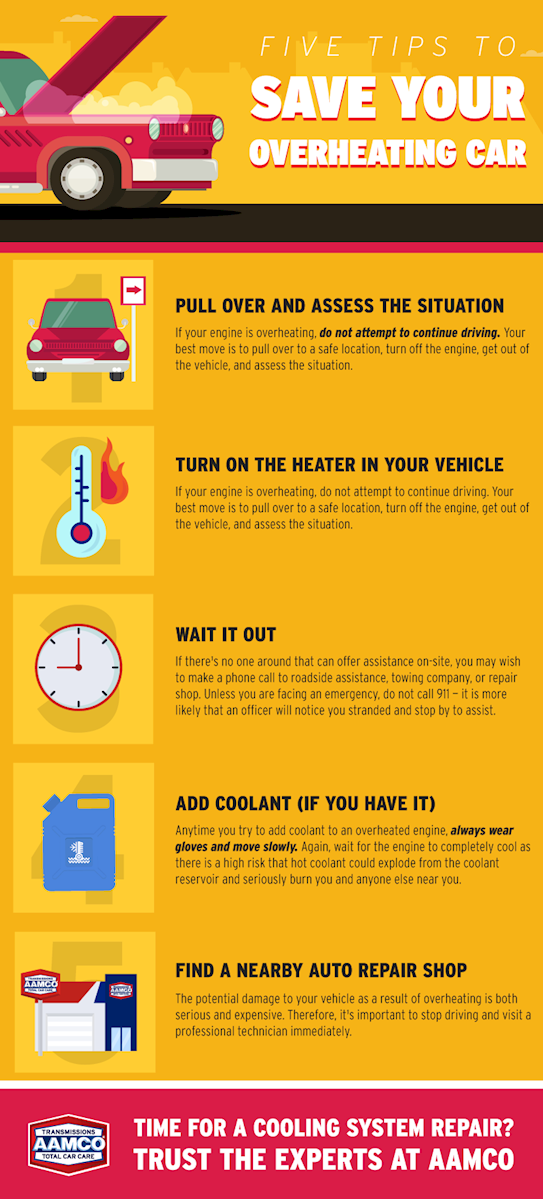
Pull over safely if your car is overheating. Turn off the engine to prevent damage. Open the hood carefully to let the heat escape. Wait for the engine to cool down before checking coolant levels or seeking professional help.
When your car starts to overheat, cooling the engine should be your top priority. It’s not just about preventing damage to your vehicle; it’s also about ensuring your safety. Acting quickly and effectively can save you from costly repairs and the inconvenience of being stranded.
Step 1: Turn Off The Air Conditioning
Turning off the air conditioning is the first step in cooling down your engine. This reduces the load on the engine, helping it cool faster. Open the windows if you need fresh air.
Step 2: Turn On The Heater
This might sound counterintuitive, but turning on the heater can help. It draws heat away from the engine, using the heater core as a mini radiator. Yes, it might be uncomfortable, but it’s a simple trick that can make a difference.
Step 3: Pull Over Safely
Find a safe spot to pull over as soon as possible. Let the engine cool down on its own. Opening the hood can help release some of the trapped heat, but do so with caution.
Step 4: Check Coolant Levels
Once the engine has cooled down, check the coolant levels. If the coolant is low, adding it can help regulate the engine’s temperature. Make sure to use the correct type of coolant for your vehicle.
Step 5: Inspect For Leaks
After topping up the coolant, look for any visible leaks. Leaks can cause the coolant levels to drop quickly, leading to overheating. If you find a leak, it’s crucial to get it repaired promptly.
Step 6: Consider Professional Help
If your car continues to overheat despite your efforts, it may need professional attention. Sometimes the problem could be more complex, like a faulty thermostat or a broken radiator fan.
Have you ever found yourself stuck on the side of the road with an overheating engine? Taking these steps can prevent that from happening again. Act swiftly, and don’t ignore the signs of an overheating engine. Your prompt actions can save you time, money, and stress.
Read more: Car Won’t Start With New Battery: Troubleshooting Tips
Checking Coolant Levels
Feeling the heat from your car? Check the coolant levels immediately. Low coolant could mean trouble. Add coolant if necessary to help cool down the engine.
When you’re driving and suddenly notice the temperature gauge creeping up, it’s a clear sign that your car might be overheating. This can be nerve-wracking, especially if you have somewhere important to be. One of the first steps to take is checking your coolant levels. This simple task can often prevent further damage and keep your car running smoothly. But how exactly do you check the coolant levels, and what should you look for?
Understanding Coolant’s Role
Coolant, also known as antifreeze, plays a crucial role in maintaining your car’s engine temperature. It circulates through the engine to absorb heat and then dissipates it through the radiator. Without enough coolant, your engine can quickly overheat.
Steps To Check Coolant Levels
Before you start, make sure your car is parked on a flat surface and the engine is cool. This ensures safety and accurate readings.
– Open the hood and locate the coolant reservoir. It’s usually a translucent plastic tank with markings for minimum and maximum levels.
– Check the level of the coolant against the markings. If it’s below the minimum, it’s time to add more.
– Add coolant if necessary. Always use the type recommended by your car’s manufacturer.
Safety Precautions
Never open the radiator cap when the engine is hot. The pressure can cause hot coolant to spray out, potentially causing burns.
Ensure you’re wearing gloves to protect your hands. A flashlight can help you see the coolant levels clearly, especially in dim conditions.
Signs Of Coolant Leaks
If you find yourself frequently adding coolant, there might be a leak. Look for puddles under your car or a sweet smell, which indicates a coolant leak.
A leaking radiator or hose can cause significant engine damage if not addressed. Take your car to a mechanic if you suspect a leak.
When To Seek Professional Help
If checking the coolant doesn’t solve the overheating issue, it might be more serious. Problems like a faulty thermostat or a broken water pump need a professional touch.
You know your car best. If something feels off after checking the coolant, trust your instincts and get expert advice.
Do you recall a time when checking the coolant saved you a headache? It’s often the small steps that prevent big problems. Keeping a regular check on coolant levels can save you from costly repairs down the road.

Credit: www.pandahub.com
Inspecting The Radiator
Experiencing an overheating car can be stressful. One crucial step is inspecting the radiator. The radiator plays a vital role in cooling the engine. Understanding its condition can prevent further damage. Let’s explore how to inspect your radiator effectively.
Check For Visible Damage
Look at the radiator for any visible damage. Bent fins or cracks can hinder performance. Ensure all the fins are straight and intact. Damaged fins can limit airflow, causing overheating.
Inspect Radiator Hoses
Examine the hoses connected to the radiator. Check for leaks, cracks, or bulges. Weak hoses can lead to coolant loss. Ensure they are firm and in good condition. Replace any damaged hoses immediately.
Check Coolant Levels
Ensure the coolant level is adequate in the radiator. Low coolant levels can cause overheating. Use a coolant that matches your car’s specifications. Check the owner’s manual for guidance.
Inspect The Radiator Cap
Look at the radiator cap for any signs of wear. A faulty cap can lead to pressure loss. This may cause coolant to leak out. Ensure the cap is tight and in good condition.
Look For Coolant Leaks
Examine the area around the radiator for leaks. Coolant puddles may indicate a leak. Leaks can occur in the radiator or hoses. Address any leaks to prevent overheating.
Examine The Coolant Condition
Check the coolant’s color and clarity. Discolored or cloudy coolant may indicate a problem. It could mean contamination or a coolant breakdown. Consider flushing and refilling if needed.
Seeking Professional Help
Cars can overheat for several reasons, and quick action is crucial. Understanding when to seek professional help is vital. Professional mechanics have tools and expertise to diagnose the exact problem. Relying on experts ensures your safety and saves time and money. Let’s explore why professional assistance is essential.
Understanding The Importance Of Professional Help
Professional mechanics understand car systems inside out. They use advanced tools to pinpoint issues accurately. Their experience helps in finding solutions swiftly. Trusting professionals ensures your car’s safety.
Benefits Of Professional Diagnosis
Experts offer precise diagnosis of overheating problems. They identify whether it’s a coolant leak, faulty thermostat, or radiator issue. Accurate diagnosis prevents further damage. Professional services often come with warranty, adding assurance.
Ensuring Long-term Car Health
Regular maintenance by experts prevents future overheating. Mechanics suggest preventive measures to avoid recurring issues. They offer tips on maintaining optimal engine temperature. This advice helps in prolonging your car’s lifespan.
What To Expect From A Professional Mechanic
Expect a thorough inspection of your car’s cooling system. Mechanics might replace worn-out parts for better performance. They ensure your car runs smoothly and safely. Professional help guarantees peace of mind.
Finding A Reliable Mechanic
Search for certified and experienced mechanics. Read reviews to ensure quality service. Reliable mechanics prioritize customer satisfaction. Choose a mechanic who explains issues clearly.

Credit: www.jiffylube.com
Frequently Asked Questions
How Do You Fix A Car That Overheats?
Check coolant levels and refill if low. Inspect radiator and hoses for leaks. Ensure the fan functions properly. Clean debris from the radiator. Consider replacing the thermostat. Seek professional help if needed.
Can You Still Drive Your Car If It Overheats?
Driving a car that overheats can damage the engine. It’s best to stop and let it cool. Check coolant levels and seek professional help. Continuing to drive risks severe engine damage and costly repairs. Always prioritize safety and address overheating issues promptly.
How Do You Cool Down An Overheated Car Fast?
Turn off the air conditioning and open windows. Turn on the heater to draw heat from the engine. Pull over safely and turn off the engine. Allow the engine to cool for at least 15 minutes. Check coolant levels and add if necessary.
Seek professional help if the problem persists.
How Long Should I Let My Car Sit If It’s Overheating?
Let your car sit for at least 30 minutes to cool down. Check coolant levels and address the issue.
What Causes A Car To Overheat?
A car can overheat due to low coolant, a faulty thermostat, or a broken radiator fan. Check these first.
Conclusion
An overheating car needs quick attention. First, turn off the engine. Let it cool. Check coolant levels and refill if low. Inspect the radiator for leaks. Ensure the fan works properly. Regular maintenance helps prevent overheating. Keep an eye on the temperature gauge.
Avoid driving if overheating persists. Contact a professional mechanic for help. Taking these steps ensures your car runs smoothly. Stay safe on the road and protect your vehicle. Remember, early action prevents bigger problems later. Safe driving!
As Amazon Associate, we earn from qualifying purchases.